Focused arrival windows
Useful updates and clear arrival timing.
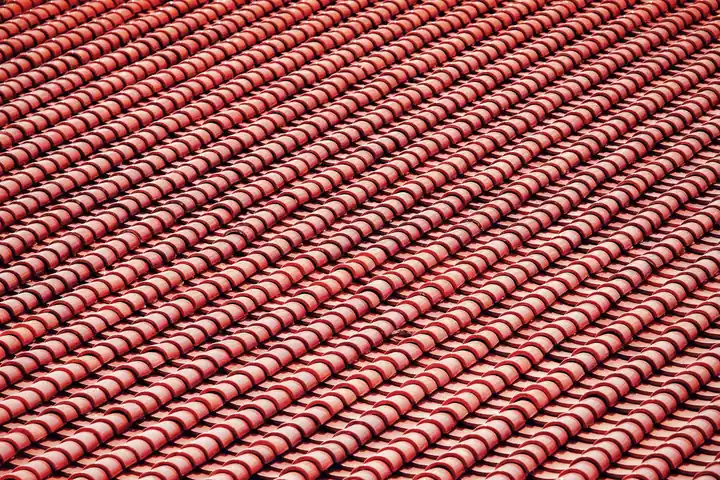
If your upstairs rooms run cold in January and your heating bill keeps climbing, attic insulation West Babylon NY is the fix that pays you back every month. We insulate and air-seal attics across Suffolk County, from 1920s capes near the Babylon line to newer colonials off Little East Neck Road. Free estimate, same-week install.
Useful updates and clear arrival timing.
Review the approach and price before deciding.
Equipped vehicles and respectful cleanup.
Neighbors serving neighbors with follow-through.
Every job includes the inspection, air sealing, baffles, and blown-in material to the agreed R-value. Removal of old insulation and blower door testing are add-ons we quote upfront if your attic needs them.
We measure existing depth in three spots, photograph air leaks, and check for moisture stains, pest damage, and blocked soffits. You get a written report with the R-value we measured and the R-value we recommend.
Top plates, wire penetrations, chimney chases, and recessed lights get sealed with fire-rated caulk and foam. This is the step that makes the insulation actually perform, and it is included on every job we quote.
We staple foam baffles at every rafter bay to keep the new insulation from blocking airflow. Without them, soffit vents choke and the attic traps moisture that flattens the material within a few years.
Fiberglass or cellulose blown to a marked depth line, checked with a ruler every few feet. We install R-49 to R-60 depending on your joist depth. You get photos of the finished depth and the manufacturer spec sheet.
Every install carries a written workmanship warranty. If the material settles below the marked depth within the warranty window, we come back and top it off at no charge.
Share what is happening and receive a clear next step from the local team.
Attic insulation West Babylon NY is the layer of blown-in fiberglass, cellulose, or spray foam that slows heat escaping through your ceiling and stops cold air from pouring down into your living space. We air-seal the gaps around recessed lights, chimney chases, and top plates first, then blow in material to a measured depth so the whole attic floor is covered evenly. Most homes here need R-49 to R-60, which works out to roughly 14 to 18 inches of blown-in material.
West Babylon sits in Suffolk County, where winter nights drop into the teens and summer attics hit 130 degrees. That swing punishes thin or settled insulation. If you are searching for attic insulation near me West Babylon NY because your second floor never gets warm, the cause is usually 4 to 6 inches of collapsed old material plus open air leaks. We fix both in one visit.

We climb the attic with a flashlight and moisture meter, measure existing depth in three spots, and photograph every air leak, bath fan termination, and recessed light. You get a written report with the R-value we measured and the R-value we recommend. Takes 30 to 45 minutes.
Before any insulation goes down, we seal top plates, wire penetrations, and chimney chases with fire-rated caulk and foam board. Recessed lights get covered boxes. This step alone cuts air leakage by 30 to 50 percent and takes two to four hours on a typical West Babylon attic.
We staple foam baffles at every rafter bay so the new insulation does not block soffit airflow. If your ridge vent is undersized or your soffits are clogged with old insulation, we correct it now. Attics need 1 square foot of net free vent area per 150 square feet of floor.
Our crew feeds fiberglass or cellulose through a hose and blows it to a marked depth line, checking with a measuring stick every few feet. A 1,200 square foot attic takes three to five hours. We install R-49 to R-60 depending on your joist depth and budget.
We take photos of the finished depth, hand you the manufacturer spec sheet, and walk the attic with you if you want to see it. You get a workmanship warranty in writing and a reminder to recheck depth in five years. Payment is due after you sign off.
Measures whole-house air leakage before and after air sealing so we can prove the improvement in numbers instead of guessing. We use it on larger jobs and finished attics.
Feeds fiberglass or cellulose through a hose and fluffs it to the correct density. We adjust the feed rate for the material so the installed R-value matches the bag spec.
Checks the roof deck and joists for hidden damp before we insulate. Insulating over wet wood traps moisture and grows mold, so this step comes first on every job.
We staple depth lines on the rafters and verify with a ruler every few feet. You get photos of the finished depth so you can check our work with a tape measure.
Stapled at every rafter bay to keep blown-in material from blocking soffit airflow. Without them, intake vents choke and the attic traps moisture.
Used around recessed lights, chimney chases, and top plates. Standard foam is not rated for these penetrations, so we use the right product for the location.
We seal top plates, wire chases, and recessed lights before any material goes down. This is the single biggest factor in whether the job actually cuts your heating bill. Skipping it is why cheap insulation jobs fail.
This climate calls for R-49 minimum, and we often install R-60 where joist depth allows. We measure existing depth during the inspection and tell you exactly how many inches to add to hit target.
We match soffit intake to ridge exhaust so hot, moist air escapes instead of cooking the insulation. Target is 1 square foot of net free vent area per 150 square feet of attic floor.
When old insulation is wet, matted, or pest-soiled, we bag and haul it, treat the deck, and install fresh material. We photograph the clean deck before re-insulating so you can see the difference.
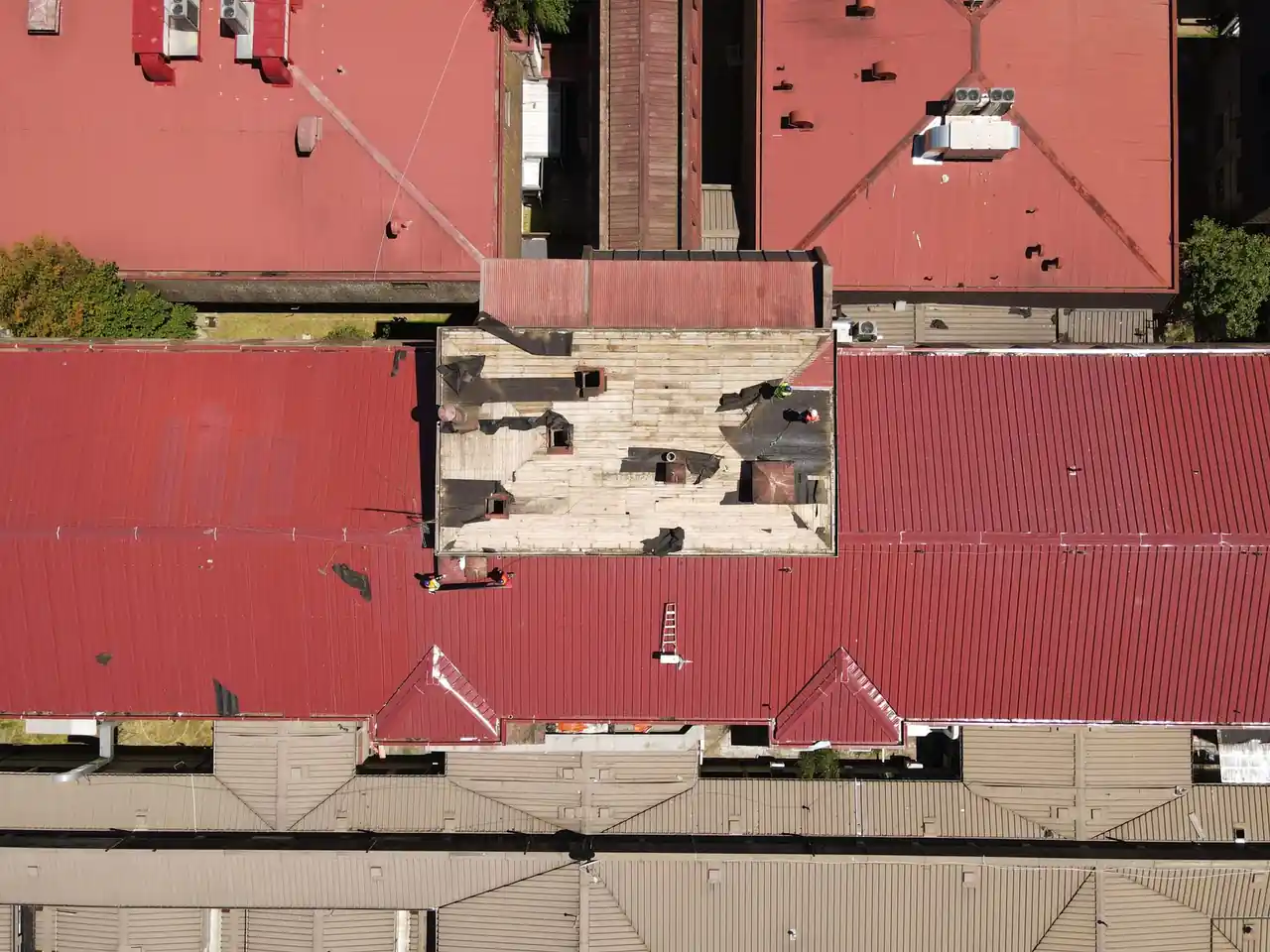
We remove the old material, air-seal the top plates and chimney chase, baffle the soffits, and blow in cellulose to R-49. The whole job runs one day for a 1,100 square foot attic. Upstairs bedrooms hold temperature with the first floor, and the winter gas bill drops 15 to 20 percent.
We install spray foam at the roofline over the bonus room, seal the knee walls, and blow in fiberglass over the main attic floor. Two-day job with a blower door test at the end. The bonus room becomes usable year-round, and the homeowner stops running a space heater every night.
We fix the heat leak with air sealing and R-60 blown-in, then correct the soffit baffles and ridge vent so the deck stays cold. We also repair the stained drywall area after the insulation is in. No ice dam the following winter, and the ceiling stain stops growing because the leak source is gone.
We inspect, document existing depth and any moisture issues, and bring the attic up to R-49 with air sealing. You get photos and a spec sheet to hand to the buyer. The inspection passes without a repair credit, and the sale closes on schedule.
West Babylon sits in Suffolk County, where winter nights hit the teens and summer attics climb past 130 degrees. That swing is hard on insulation, and most homes here were built between 1920 and 1970 with 3 to 6 inches of original material that has settled and compacted. We see the same three problems over and over: cold upstairs bedrooms, ice dams at the eaves, and attic condensation on the sheathing. The fix is always the same order of operations. Air-seal first, baffle the soffits, then blow in to R-49 or better. If you want to know the cost to insulate attic West Babylon New York for your specific house, we measure depth during the free inspection and give you a written number before we start. Permits are required on some jobs, and we pull them and meet the inspector on site.
Mix of 1960s ranches and newer colonials. The older ranches usually have 4 inches of settled material and need full-depth top-offs to hit R-49.
Many 1920s capes with knee-wall attics. These need spray foam at the roofline because there is no flat attic floor to blow into.
Post-war capes with recessed lights in the ceiling. Air sealing around those fixtures is the difference between a job that works and one that does not.
Commercial and mixed-use buildings with flat roofs. Insulation sits above the ceiling and often needs replacement after a roof leak.
West Babylon is close enough to the Great South Bay that attic humidity runs high in summer. Sealed attics stay 10 to 15 percent drier, which keeps mold off the sheathing.
Storms push water through ridge vents and missing shingles, soaking attic insulation. We check for wet material after every major storm and replace what got soaked.
Repeated freeze-thaw at the eaves is what builds ice dams. Insulation to R-49 keeps the deck cold and even, which stops the melt-refreeze cycle.
Most pre-1970 homes here were built with R-7 to R-11. Bringing them to R-49 is a 4 to 6 times improvement in thermal performance.
A 1955 cape near the Babylon line had 4 inches of settled rock wool, open top plates, and unsealed recessed lights. Upstairs bedrooms ran 9 degrees colder than the first floor, and the winter gas bill averaged $310 a month.
We removed the old material, air-sealed the ceiling plane, baffled the soffits, and blew in cellulose to R-49. The second floor now holds within 2 degrees of the first, and the following January gas bill came in at $238.
Maintenance: Recheck depth every five years with a ruler. If it drops below 14 inches, top it off. Keep soffit vents clear of stored items so airflow stays balanced.
A colonial off Little East Neck Road had ice dams every February and water stains on the ceiling below. Existing insulation was 5 inches of fiberglass with no baffles, and the ridge vent was undersized for the attic volume.
We air-sealed, installed foam baffles at every bay, corrected the ridge vent, and brought the attic to R-60. No ice dam formed the following winter, and the ceiling stain stopped growing because the heat leak was gone.
Maintenance: Keep gutters clear going into winter and check the ridge vent for snow block after big storms. Recheck baffles each fall before the first freeze.
A finished bonus room over a two-car garage in North Babylon was unusable from November to March. The knee walls had no insulation, the roofline had none either, and a space heater ran every night at a cost of about $90 a month.
We installed spray foam at the roofline, sealed and insulated the knee walls, and blew fiberglass over the main attic floor. The bonus room now stays within 3 degrees of the rest of the house, and the space heater is gone.
Maintenance: Check the knee-wall access panel each fall for gaps and reseal if needed. Keep the mini-split filter clean if you added one for summer cooling.
Most attic complaints trace back to one of four issues. We diagnose which one you have during the free inspection and fix it the same week.
Your furnace works harder, the upstairs stays uncomfortable, and you run space heaters that drive up electric bills. Ignoring it for another winter usually costs more than the insulation itself. We air-seal the ceiling plane and bring the attic to R-49 or better. Most West Babylon homes see the second floor hold within 2 to 3 degrees of the first floor after the install.
Meltwater backs under the shingles, soaks the deck, and drips into the attic. Left alone, it rots sheathing and stains ceilings. Gutter heaters only move the problem around. We stop the heat leak at the source with air sealing and full-depth insulation, which keeps the roof deck cold and even. We also check baffles and ridge vent so the attic breathes the way it should.
Moisture from bath fans and air leaks condenses on cold sheathing, rusts fasteners, and feeds mold. Over a few seasons, the deck softens and the roof loses years of life. We seal the leaks, correct bath fan termination, and balance intake and exhaust ventilation. Sealed attics run 10 to 15 percent lower summer humidity, which keeps the framing dry.
Compressed insulation loses most of its R-value, and wet material grows mold that spreads to the framing. Topping over it just traps the problem under fresh material. We bag and remove the old insulation, treat the deck, and install fresh material to depth. Most 1,200 square foot removals take one day, and you get photos of the clean deck before we re-insulate.
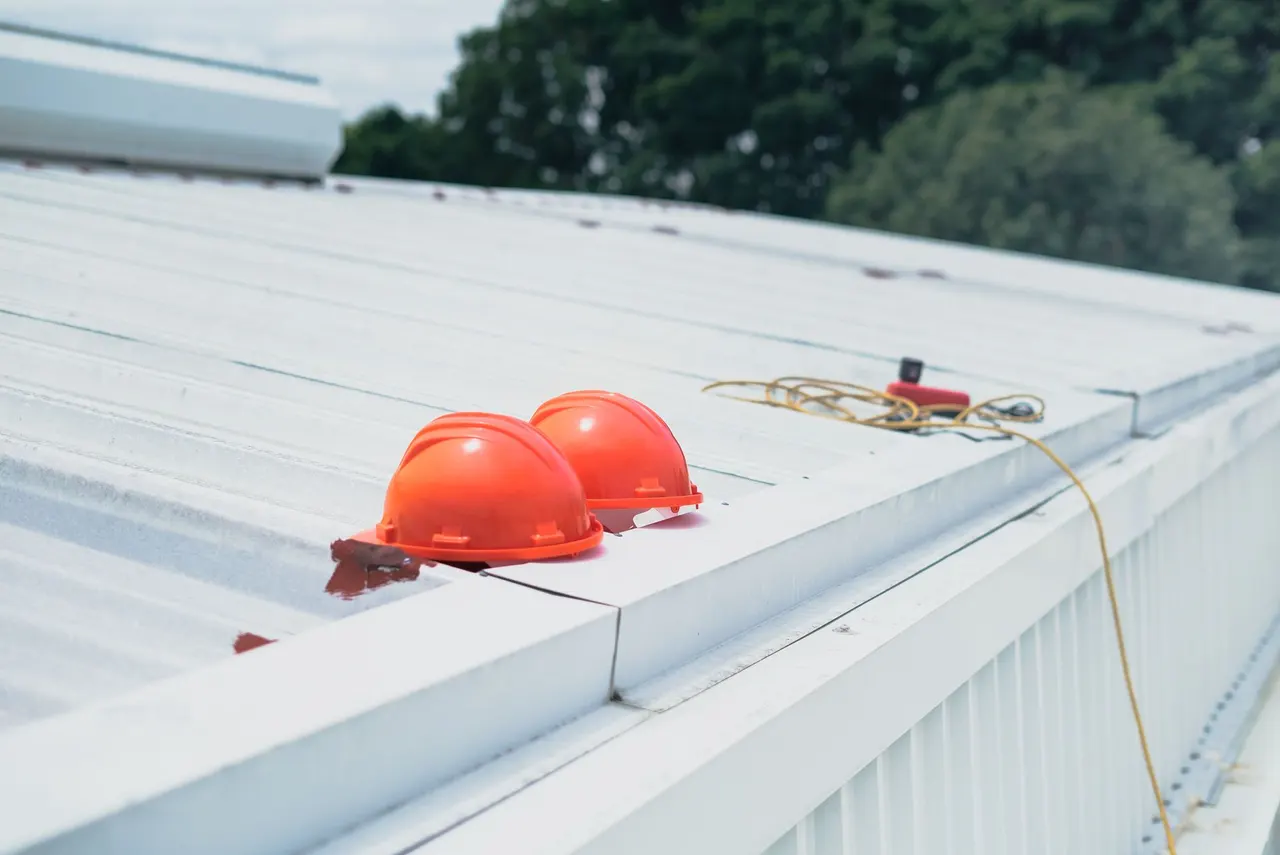
Roofing West Babylon has been working on Suffolk County roofs and attics since 2006, which makes 20 years in business as of 2026. Our insulation crew holds OSHA 10 and OSHA 30 cards, and we carry the NY State Home Improvement License required for work in this county. We have insulated everything from 800 square foot bungalows in North Babylon to 3,000 square foot colonials in Dix Hills, and we know exactly how the older housing stock here was framed.

Our upstairs bedrooms were always 8 degrees colder than downstairs. The crew air-sealed around the recessed lights and blew in cellulose to R-49. First cold snap after the install, the second floor held within 2 degrees of the first. Gas bill dropped about $70 in January. They were in and out in one day.
I had 4 inches of old rock wool and a bad ice dam every winter. They removed the old material, sealed the top plates, and installed R-60. No ice dam this past February, which has never happened. The attic card and photos they left made it easy to verify the depth.
We had a roof leak that soaked the insulation over the back bedroom. They fixed the flashing, dried the deck, and replaced the wet material the same week. Honest pricing, no upsell, and they showed me the moisture readings before and after. Would use them again.
Most West Babylon attic jobs run $1,800 to $4,200 in 2026, depending on square footage, existing depth, and whether removal is needed. A basic blown-in top-off on a 1,000 square foot attic starts around $1,800. Full removal and replacement with air sealing on a 1,500 square foot home lands near $4,200. We give you a written number before we start.
Blown-in fiberglass and cellulose are the best fit for most West Babylon attics because they fill irregular joist bays and gaps around pipes. Spray foam wins where you need maximum air sealing, like a bonus room over a garage. We stock both and recommend based on your attic shape, budget, and whether you have recessed lights to work around.
Yes. Going from 4 inches of settled insulation to R-49 typically cuts heating costs 15 to 25 percent in a West Babylon home. On a $250 monthly winter gas bill, that is $38 to $62 saved per month. Air sealing alongside the insulation is what unlocks the full savings, since leaks bypass insulation entirely.
You want R-49 to R-60 in this climate, which is 14 to 18 inches of blown-in fiberglass or 12 to 16 inches of cellulose. If you can still see the floor joists, you are well under target. We measure your existing depth during the free inspection and tell you exactly how many inches to add.
Not seeing your question? Our local team can help you understand urgency, scheduling and what to expect.
Ask the local teamA new roof is the right time to add attic insulation, because the deck is open and we can check for hidden rot. We install GAF and Owens Corning systems and insulate the same week so you only pay for one crew mobilization.
View serviceWhen we tear off old asphalt shingles, we inspect the attic from above for soft spots and water stains. Replacing the roof and upgrading attic insulation together saves you a second setup and keeps the whole assembly warrantied.
View service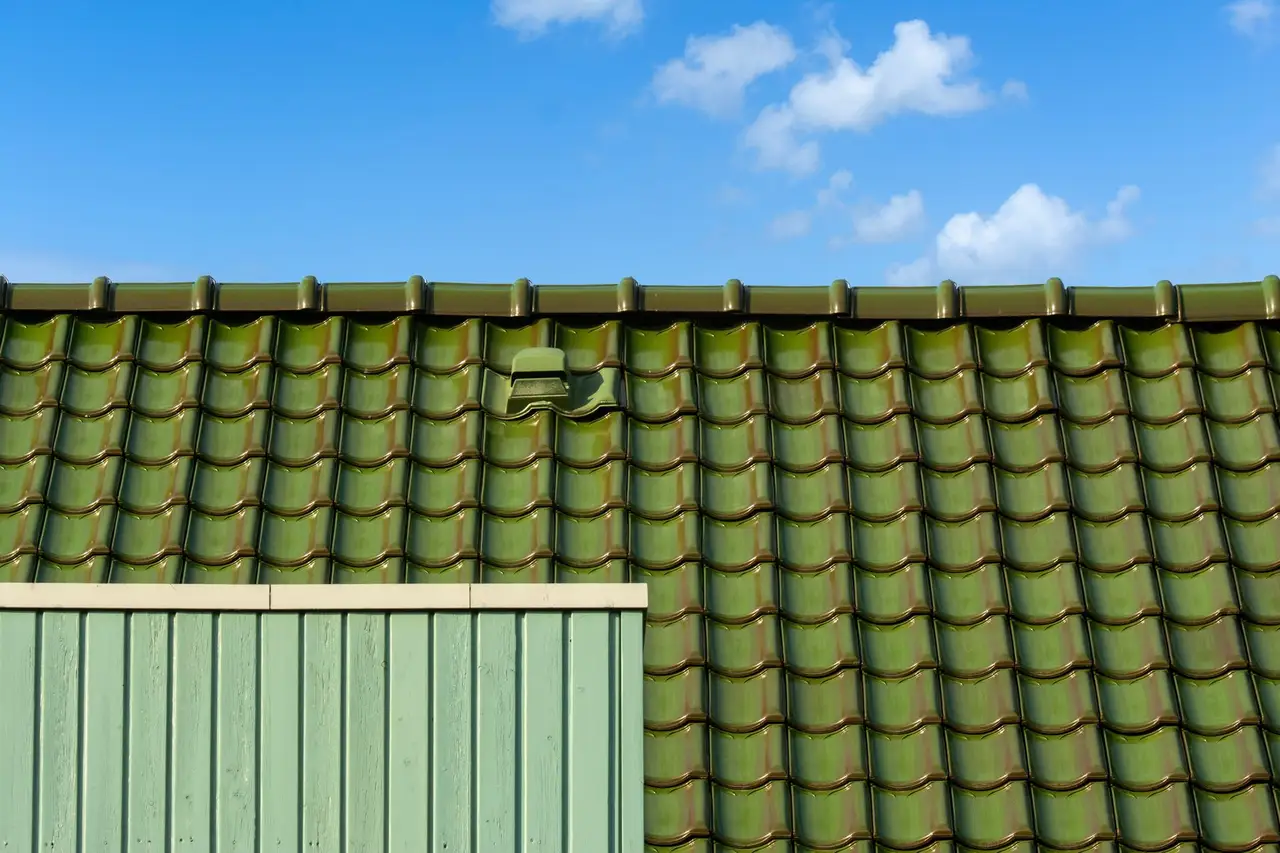
A leak that drips into the attic soaks insulation and kills its R-value. We fix the flashing or shingle first, then replace any wet material so you are not insulating over a damp deck that will grow mold.
View service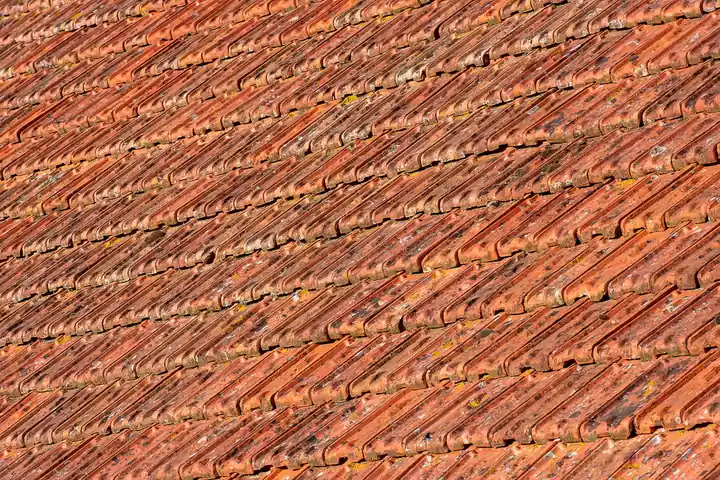
Our inspection covers the attic side as well as the shingles. We check insulation depth, look for attic condensation stains, and photograph any ice dam damage at the eaves so you get the full picture before winter.
View service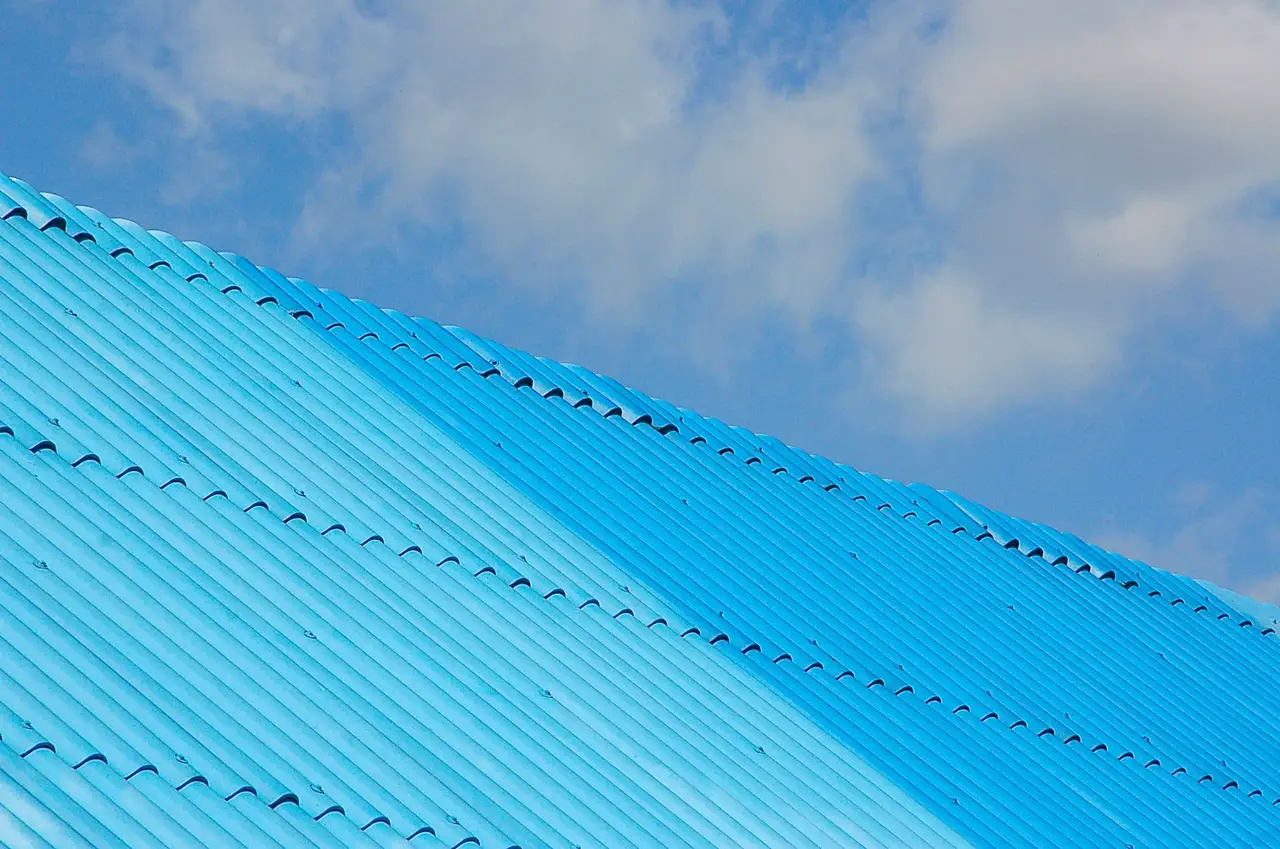
Call us at 345324674 and you will reach a person, not a call center. We answer weekdays from 8 a.m. to 6 p.m. and keep an emergency line open around the clock. Most West Babylon estimates are scheduled the same day you call.