Focused arrival windows
Useful updates and clear arrival timing.
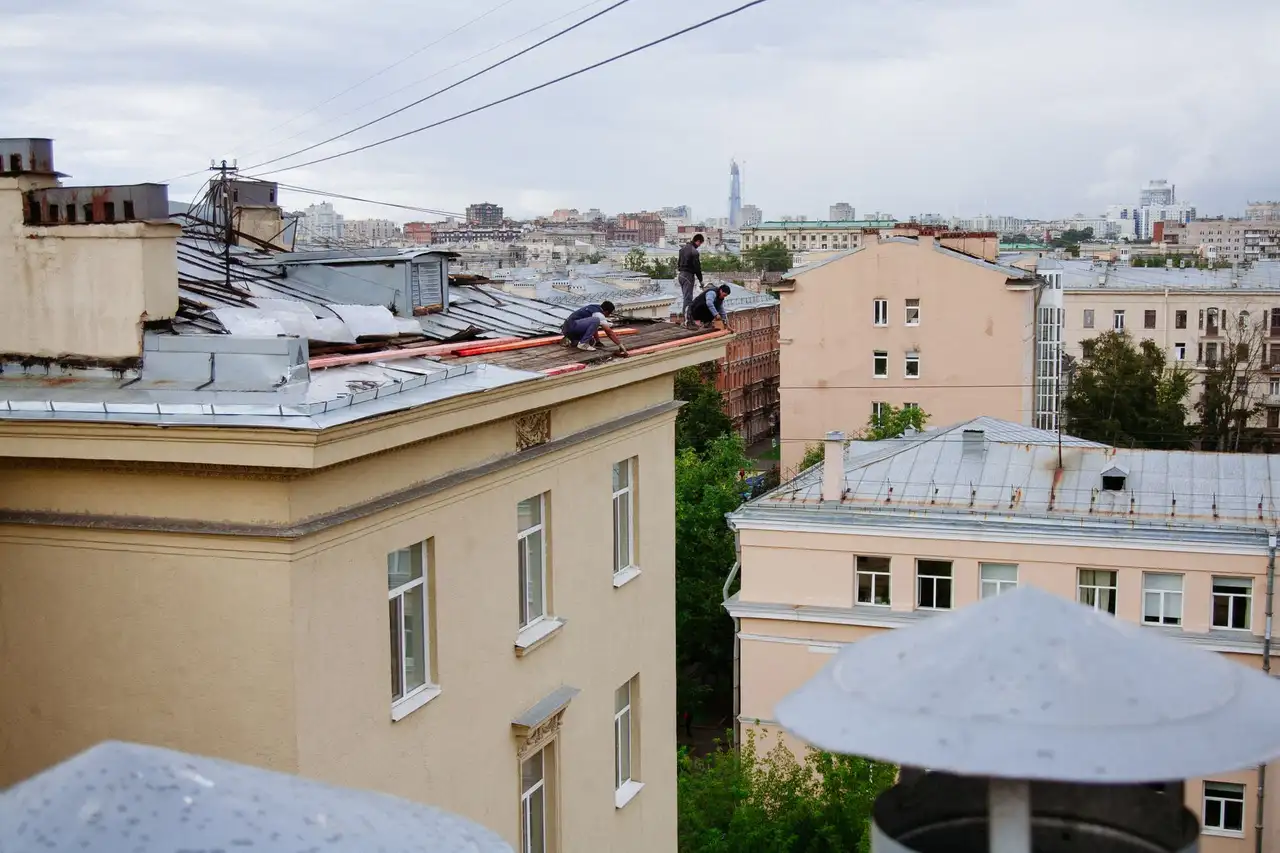
Roofing in Plainview means dealing with real Long Island weather: nor'easters, summer hail, and 40-year-old shingle roofs that finally give out. We handle roof repair, full replacement, and emergency tarping for homeowners in 11803 and the surrounding blocks. Same-day estimates, code-correct work, and a crew that cleans up before it leaves. Call us and we'll tell you straight what your roof needs.
Useful updates and clear arrival timing.
Review the approach and price before deciding.
Equipped vehicles and respectful cleanup.
Neighbors serving neighbors with follow-through.
Roofing in Plainview is not the same job as roofing in a newer development. Most of the housing stock around the Plainview LIRR Station and the streets feeding into Old Bethpage was built between the 1950s and 1970s, which means original sheathing, original chimney flashing, and shingle layers that have been patched more than once. We have worked these blocks since 2006, and we know what a 60-year-old roof over a finished attic actually looks like when you pull the first course. Our crews carry GAF and Owens Corning materials because those systems hold up to the freeze-thaw cycles that hit Long Island every February. If you search for a Roofing Plainview NY contractor and get three quotes, ask each one what they plan to do about your ice and water shield. That answer separates the real roofers from the guys with a ladder and a truck.
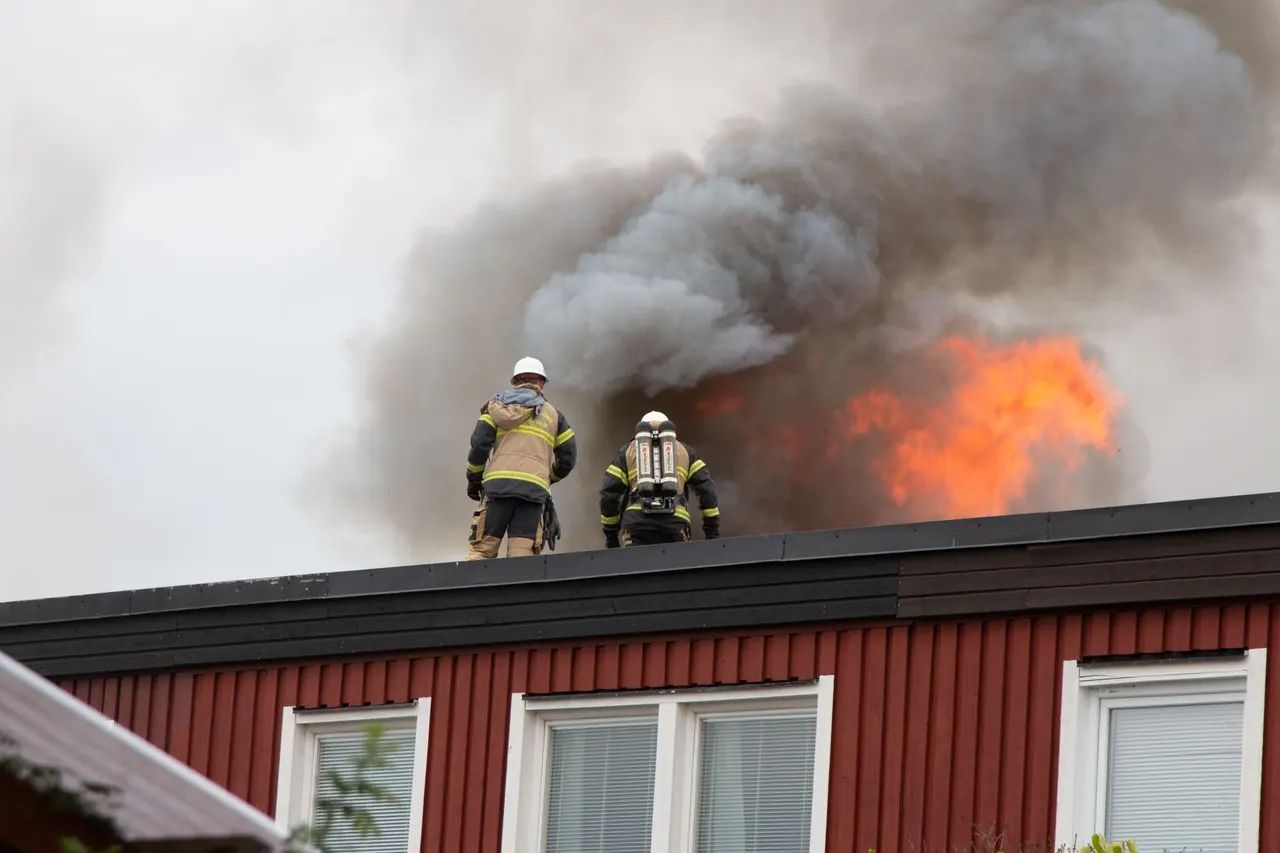
Plainview roofs take a beating from wind, ice, and summer hail, and the repair list reflects it. We handle everything from a single missing shingle on a North Plainview ranch to a full commercial tear-off near the Long Island Expressway. If you need a Roofing contractor Plainview NY near me, start with a free inspection and we will tell you what actually needs work versus what can wait a season.
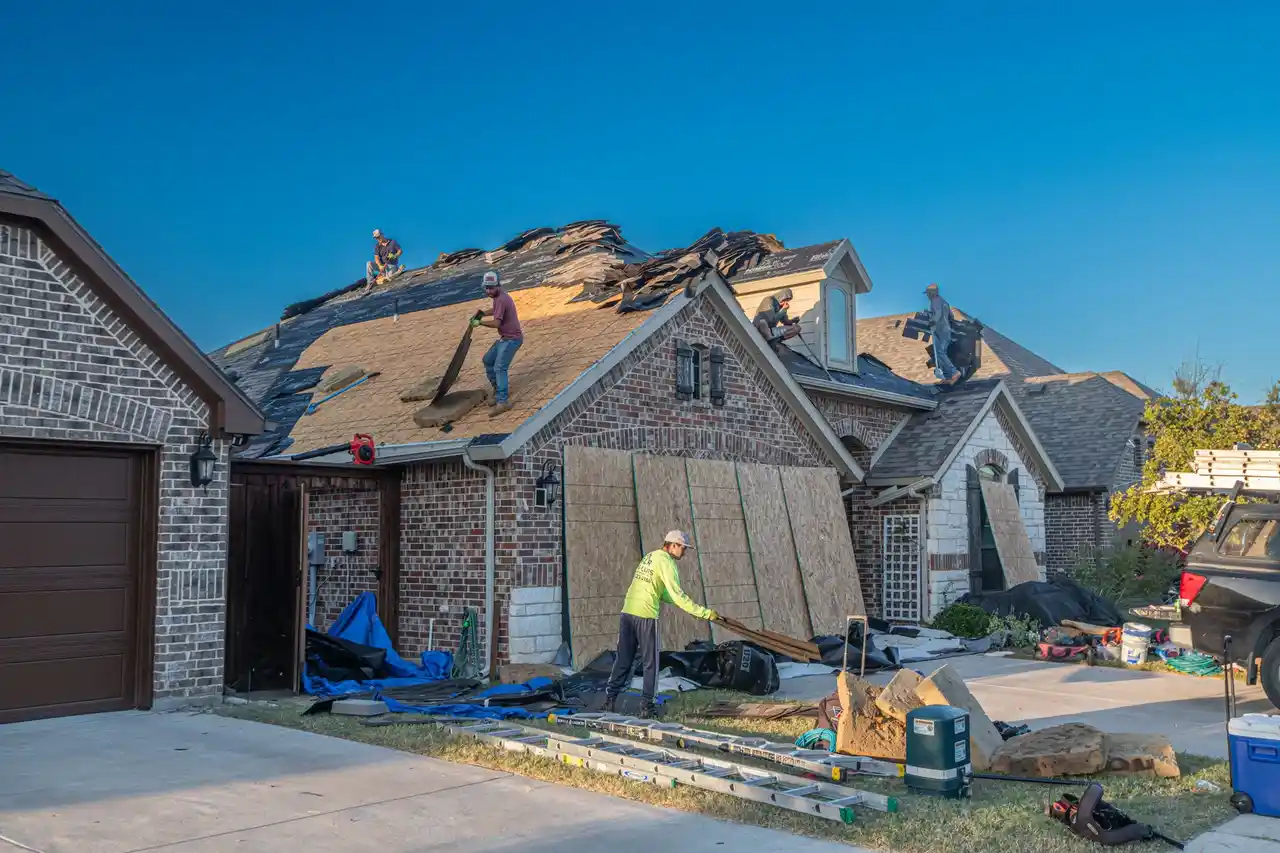
New roof installation in Plainview means stripping to the deck, replacing any rotted sheathing, and laying a full GAF or Owens Corning system with ice and water shield at the eaves. We install architectural shingles on the pitched roofs common in North Plainview and modified bitumen on the low-slope additions found on many South Plainview homes.
View service →02Most Plainview replacements are full tear-offs because the existing roof already has two layers. We haul away the old shingles, inspect the deck for water damage, and install new underlayment, drip edge, and ridge vent. A typical 1,800-square-foot ranch in the 11803 ZIP takes two to three days from tear-off to final cleanup.
View service →03Roof repair in Plainview covers everything from a cracked pipe boot to a section of shingles torn off by wind. We match existing shingles as closely as possible and seal every penetration with new flashing. Same-day repair is available for active leaks, and we photograph the repair so you can see exactly what was done.
View service →04A Plainview roof inspection takes about 45 minutes and covers the shingles, flashing, valleys, vents, and attic underside. We check for the specific problems this area sees: ice dam damage at the eaves, moss growth on north-facing slopes, and flashing failure around chimneys. You get a written report with photos and a prioritized repair list.
View service →05Our maintenance plan for Plainview homes includes two visits a year: one in spring to clear winter debris and check for ice dam damage, and one in fall to clear gutters and inspect flashing before the first freeze. Customers on the plan get priority scheduling after storms and a discount on any repair work we find.
View service →06When a storm tears shingles off a Plainview roof at 2 a.m., we answer the phone. Our emergency crew can be on site within 60 to 90 minutes for active leaks, with the tools and materials to stop water from coming in. We handle the temporary fix first, then schedule the permanent repair.
View service →07Emergency tarping in Plainview is for the calls that cannot wait: a tree limb through the roof, a section of shingles gone after a nor'easter, or a chimney flashing failure during a rainstorm. We secure the area with heavy-duty tarps and fasten them so they hold through the next weather system.
View service →08Finding a roof leak in Plainview often means tracing water back from a ceiling stain to a flashing failure or a cracked vent boot. We use moisture meters and hose testing to pinpoint the source instead of guessing. Once we find it, we repair the leak and verify the fix with a second water test before we leave.
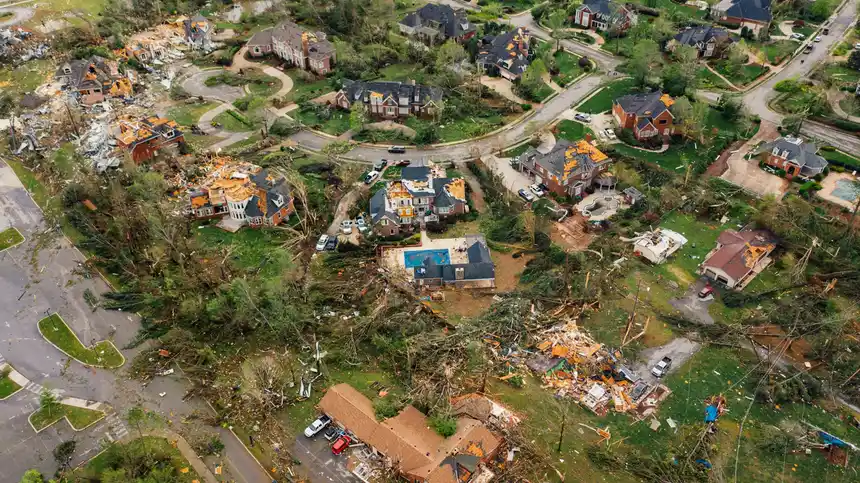
View service →09Storm damage in Plainview usually means wind-lifted shingles, torn flashing, or hail-bruised asphalt. We document every damaged area with photos for your insurance claim, then complete the repair to manufacturer spec so your warranty stays intact. Most storm repairs are finished within one to two days of the adjuster's approval.
View service →Plainview roofs are mostly pitched asphalt on the residential streets, with flat or low-slope sections on the rear additions and garages. We start every job by protecting the driveway and landscaping with tarps, then staging materials so the dumpster does not block your neighbor's access. On the older homes near the Plainview-Old Bethpage Public Library, we often find the original 1x6 sheathing, which means we walk the deck and replace any soft boards before we lay new underlayment. Ice and water shield goes down at the eaves and in the valleys, because that is where the freeze-thaw cycles do their damage. If you need roof repair in Plainview New York same-day, we can usually have a crew at your door within a few hours for active leaks. We pull the required permits through the Town of Oyster Bay and schedule the inspection before we close up the roof.
Wind-driven rain pushes water under shingle edges and around chimney flashing on the exposed roofs in North Plainview. Lifted shingles are common after any storm with sustained winds over 40 mph. We hand-seal the perimeter shingles and ridge caps with roofing cement on every installation, and we use six nails per shingle in the wind zones instead of the standard four. After a storm, we inspect the windward slopes first because that is where the damage shows up.
The mature oaks and maples along Plainview's residential streets drop leaves and small branches into gutters and roof valleys every fall. When that debris sits, water backs up under the shingles and rots the fascia and sheathing. We clear the valleys and gutters as part of every repair and maintenance visit, and we recommend gutter guards on homes with heavy canopy. Our fall maintenance customers get the gutters cleared before the first freeze so ice does not dam up behind the debris.
Most Plainview homes are on their second or third shingle layer, and the deck underneath has often never been inspected. Soft sheathing and rusted flashing are common once you tear off the old layers. We price every replacement as a full tear-off so we can see the deck, and we include a per-sheet allowance for sheathing replacement in the estimate. If we find rot, we show you the photos and replace the boards before installing the new roof.
Roof replacements in Plainview must meet the state code for fire separation, ventilation, and structural attachment. We pull the permit and schedule the inspection so your roof is legal and insurable when we finish.
A roof replacement in Plainview requires a permit from the Town of Oyster Bay, and the work must pass a final inspection. We handle the paperwork and meet the inspector on site so you do not have to chase it down.
Any contractor doing roofing work in Plainview must hold a valid New York State Home Improvement License. We carry ours and can show it before we start, which protects you if anything goes wrong on the job.
Plainview has a specific set of roof problems that come from its climate, its housing age, and its tree cover. The freeze-thaw cycles in winter and the wind exposure between the parkways do most of the damage. Here are the four issues we fix most often for Plainview homeowners.
Plainview gets repeated freeze-thaw cycles from December through March. Heat escaping through an under-insulated attic melts snow on the upper roof, and it refreezes at the cold eave, forming a dam that pushes water under the shingles. We fix the root cause, not just the symptom. That means air-sealing the attic floor, adding insulation to the right R-value, and installing proper intake and ridge ventilation. We also lay ice and water shield at the eaves on any roof we install or replace.
Most Plainview homes were built before modern flashing standards, and the original chimney flashing was often just tar over metal. After 40 or 50 winters, that tar cracks and water gets behind the brick. It is the number one source of leaks we find here. We remove the old tar, install new step flashing and counter-flashing woven into the shingles, and seal the chimney chase with a flexible membrane. We water-test the repair before we leave to confirm it is dry.
The corridor between the Northern State Parkway and the Long Island Expressway funnels wind across Plainview. Sustained winds over 40 mph lift shingle edges and tear off ridge caps, especially on roofs that are already 15 years old or older. On every installation we hand-seal the perimeter and ridge with roofing cement and use six nails per shingle in the wind zones. After a storm, we inspect the windward slopes first and tarp any open areas the same day.
The mature tree canopy in Plainview keeps the north-facing roof slopes damp and shaded, which is exactly what moss and algae need. The growth lifts shingle edges and holds moisture against the deck, accelerating rot. We remove the moss by hand, treat the area with a moss killer, and clear the debris from the valleys and gutters. For roofs with heavy growth, we recommend a soft-wash cleaning every two to three years to keep it from coming back.
Plainview is easy to work in once you know the shortcuts. We route crews using the Long Island Expressway and the Northern State Parkway, then cut down the local roads to reach the residential streets. The Plainview LIRR Station and the Plainview-Old Bethpage Public Library are the two landmarks we use most for orientation when we are scheduling multiple jobs in one day. If you are near the Old Bethpage Village Restoration, we know the back roads that skip the traffic on Round Swamp Road.
A central reference point on Old Country Road that helps us orient crews when we have multiple jobs in the 11803 ZIP. We use it to confirm which side of the LIE a customer is on before we dispatch.
The station on the Ronkonkoma line is a useful navigation anchor for the streets just north and south of the tracks. When a customer says they are near the station, we know exactly which blocks to check.
The restoration sits on the eastern edge of Plainview and gives us a fixed point for the larger-lot properties in that area. It helps us route crews between Plainview and the Bethpage jobs on the same day.
The LIE is our main east-west route into Plainview from West Babylon. We use it to estimate drive times and to plan around the morning and evening rush when scheduling estimates.
The Northern State is the fastest way to reach the North Plainview streets that back up to the parkway. We use it for emergency calls when we need to get a crew across town quickly.
The retail and office strip along Old Country Road runs through the center of Plainview and includes small commercial buildings with flat and low-slope roofs. We handle commercial roof repair and replacement for property managers in this corridor.
The light industrial and office buildings clustered near the Long Island Expressway have larger flat roofs with HVAC curbs and drains. These are typical TPO and EPDM systems that need scheduled maintenance and occasional section replacement.
On the Ronkonkoma Branch, about 15 minutes from our West Babylon shop via the LIE and Route 135. We use it as a landmark when routing crews to the surrounding residential streets.
The LIE runs along the southern edge of Plainview and is our primary route from West Babylon. Exit 48 and the service roads give us quick access to both the commercial strip and the residential neighborhoods.
We run crews through every part of Plainview, from the streets near the LIRR station to the quieter blocks backing up to Old Bethpage. Response times are short because we are based just west in West Babylon and know the local roads. Here is what we see in each area.
North Plainview has more exposure to wind coming off the Northern State Parkway, and the roofs here take the brunt of every nor'easter. We see more wind-lifted shingles and flashing failures on these blocks than anywhere else in the 11803 ZIP. About 15 minutes from our West Babylon shop via the Southern State and LIE. Emergency calls here get a crew on site within 90 minutes.
South Plainview has a lot of 1960s colonials with original chimney flashing and skylights that were installed decades ago. Leaks around chimneys and skylights are the most common calls we get from this part of town. Roughly 20 minutes from our shop, straight up Route 110. We schedule South Plainview estimates in the morning to avoid the LIE rush.
The homes near Old Bethpage Village Restoration sit on larger lots with more tree cover, which means moss growth and gutter debris are bigger problems here. Roofs on these properties often have complex valleys that need careful flashing work. About 10 minutes from our shop via Round Swamp Road. We can usually get a crew to Old Bethpage within an hour for active leaks.
The Bethpage border streets share the same aging housing stock as Plainview, with a lot of original 1950s ranches that are now on their second or third roof. Full tear-offs are common here because the old layers have reached the end of their life. Just south of Plainview, about 12 minutes from our shop via Hicksville Road. We cover Bethpage on the same routes as our Plainview jobs.
These are jobs we completed in Plainview over the past year. They show the kind of problems this area produces and how we solve them. Every project includes photos, a written scope, and a final walkthrough with the homeowner.
A 1965 colonial in South Plainview had a persistent ceiling stain in the upstairs hallway that three other roofers could not find. We hose-tested the roof in sections and traced the leak to a failed chimney flashing that had been tarred over instead of properly replaced. We removed the old tar, installed new step flashing and counter-flashing woven into the shingles, and sealed the chimney chase. The leak stopped completely, confirmed by a second water test and a follow-up visit after the next rainstorm. The homeowner saved the cost of a full roof replacement.
A North Plainview ranch lost about 200 square feet of shingles during a March nor'easter, leaving the deck exposed to rain. Our emergency crew tarped the exposed section within 90 minutes of the call. Two days later, we completed a permanent repair: new underlayment, ice and water shield at the eave, and matching architectural shingles hand-sealed at the edges. The roof was watertight the same night and fully repaired within 48 hours. The insurance adjuster approved the claim based on our photo documentation.
A commercial building near the Long Island Expressway had ponding water on a flat roof that was causing leaks into a tenant space. We core-tested the assembly, found saturated insulation, and installed a new TPO membrane system with tapered insulation to correct the drainage. Work was phased over three days to keep the tenant open. The ponding was eliminated and the leaks stopped. The building owner got a 20-year manufacturer warranty on the new membrane.
We had a leak over the kitchen that two other roofers could not find. These guys hose-tested the whole roof and found the problem at the chimney flashing in about 20 minutes. They fixed it the same day and it has been dry through two rainstorms since. Fair price and they cleaned up everything.
After the nor'easter took shingles off our roof, we called at 7 a.m. and had a tarp on by 8:30. They came back two days later and did the permanent repair with matching shingles. You cannot even tell where the damage was. I would use them again without hesitation.
We used them for a full tear-off on our 1962 colonial. They found some soft sheathing and showed us photos before replacing it, which I appreciated. The crew was here three days and left the yard cleaner than they found it. The new roof looks great and the price was in line with the other quotes.
Plainview roofs deal with four very different seasons, and each one brings its own problems. Right now, as we head into winter, the priority is ice dams and freeze-thaw damage. Here is what to expect through the year and what you should do about it.
Spring rain finds every weak spot that winter opened up. We see a spike in leak calls in March and April, usually from flashing that cracked during the freeze-thaw cycles or shingles that lifted in a late storm.
Summer heat bakes the south-facing slopes and speeds up granule loss on older shingles. Afternoon thunderstorms can drop hail that bruises the shingle mat, which is damage you cannot always see from the ground.
Falling leaves from the tree canopy clog gutters and roof valleys across Plainview. If the debris sits through the first freeze, it forms an ice dam at the gutter line and water backs up under the shingles.
Ice dams and freeze-thaw cycles are the big threats from December through March. Water trapped behind an ice dam backs up under the shingles and leaks into the house, often far from where the dam is.
Plainview sits in the middle of our service region, and we run crews through the surrounding towns every week. If you are in one of these cities and need a roofer, we can get to you from the same West Babylon base. Here is how each one relates to our Plainview coverage.

About 20 minutes south of Plainview via Route 110. We serve Babylon on the same routes as our South Plainview jobs.
Local coverage and details
Roughly 25 minutes south of Plainview. Lindenhurst customers often come to us through referrals from our Plainview work.
Local coverage and details
About 20 minutes south of Plainview via the Southern State. We cover North Babylon on the same schedule as our West Babylon routes.
Local coverage and details
Roughly 15 minutes east of Plainview via the LIE. Deer Park jobs are often paired with our Plainview and Dix Hills work.
Local coverage and detailsNot every roofer working in Plainview is set up to do the job right. Some are storm chasers who show up after a nor'easter and disappear before the warranty call. Others are good local crews who will be here in five years. These five questions will tell you which one you are talking to.
A valid NY State Home Improvement License and general liability insurance protect you if a worker gets hurt on your roof or if the job goes wrong. Ask to see the certificate before work starts, not after.
A roof replacement in Plainview requires a permit and a final inspection. A contractor who skips the permit is cutting corners, and you could be on the hook for code violations when you sell the house.
This is the single best question for a Plainview roof. If the answer is vague or they plan to skip it at the eaves, walk away. Ice and water shield is what keeps ice dams from leaking into your house.
Most Plainview homes have two or three layers, and each one adds disposal cost and time. A contractor who has not checked the layers before quoting is guessing, and the price will change once they start.
Manufacturer warranties cover the shingles, but the labor warranty is on the contractor. Ask how long it runs and whether it is transferable if you sell the house. Get it in writing before you sign.
GAF
Owens Corning
CertainTeed
Occupational Safety and Health Administration
National Roofing Contractors Association
$2M general liability and full workers compensation
member
member
accredited business
Most roof repairs in Plainview run $450 to $1,200, and a full replacement on a 1,800-square-foot ranch is typically $12,000 to $18,000 in 2026. Flat roof replacements run $8,000 to $14,000. The biggest variables are roof size, pitch, and how many old layers need to come off.
The best roofer in Plainview is the one who pulls the permit, installs ice and water shield at the eaves, and answers the phone after the job is done. Ask for the license, ask for local references, and ask what they do about ice dams. We have been serving this area since 2006 and can show you work on your own street.
Yes. We answer emergency calls 24/7 for Plainview and can have a crew on site within 60 to 90 minutes for active leaks. We tarp the roof the same night to stop the water, then schedule the permanent repair for the next available day. Call 345324674 any time.
Start with the license and insurance, then ask about permits, ice and water shield, and the labor warranty. Get three written quotes and compare the scope, not just the price. A quote that skips the membrane at the eaves is not a real comparison, because it will leak the first winter.
We do same-day repair for active leaks when you call before 2 p.m. Our crew can usually be at your door within a few hours. For non-emergency repairs, we schedule within three to five days. Emergency tarping is available around the clock, including weekends and holidays.
Not seeing your question? Our local team can help you understand urgency, scheduling and what to expect.
Ask the local team
Call us at 345324674 and you will reach a person, not a call center. We answer weekdays from 8 a.m. to 6 p.m. and keep an emergency line open around the clock. Most West Babylon estimates are scheduled the same day you call.