Focused arrival windows
Useful updates and clear arrival timing.
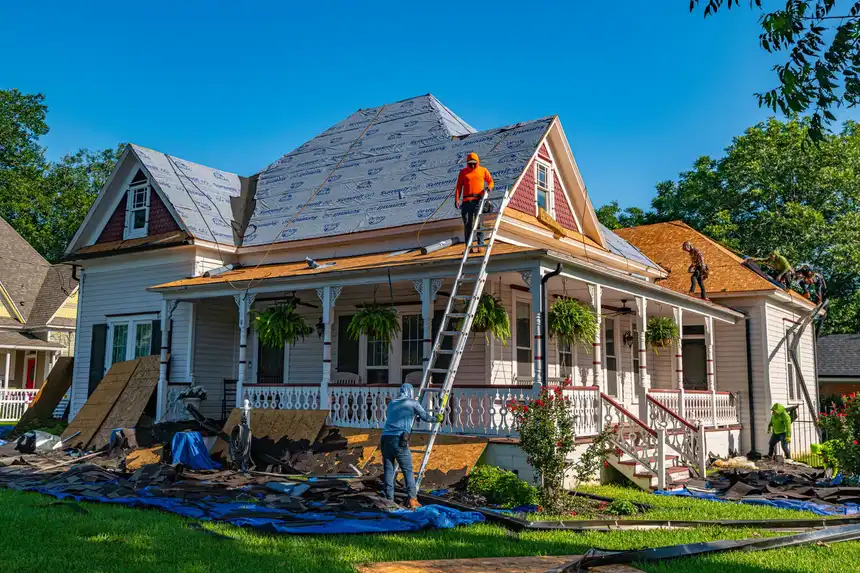
If water is staining the ceiling around your chimney, you need chimney flashing repair West Babylon NY done right the first time. We are a local chimney flashing company West Babylon NY homeowners call after nor'easters, ice dams, and years of freeze-thaw cycles pull flashing loose. We inspect, remove the failed metal, and install new code-correct flashing sealed to your shingles and masonry.
Useful updates and clear arrival timing.
Review the approach and price before deciding.
Equipped vehicles and respectful cleanup.
Neighbors serving neighbors with follow-through.
Every flashing repair is different, but most jobs include the same core work. Here is what you get when you hire us, and what would be priced separately if we find it during the inspection.
We pull the old step flashing, counter-flashing, and apron flashing. No layering new metal over rusted metal. We cut back the shingle courses around the chimney so the new flashing can be woven in correctly.
We install new 24-gauge galvanized or copper step flashing woven into the shingles, plus counter-flashing cut into a reglet in the brick and sealed. This is the layer that actually keeps wind-driven rain out of your chimney chase.
Before the new flashing goes on, we install ice and water shield at the chimney base. It protects the deck if any water gets past the metal and helps prevent ice dams from prying the flashing loose in winter.
We check the roof sheathing and the chimney brick while the flashing is off. If we find rot or cracked masonry, we show you photos and price the repair before doing it. No hidden add-ons.
After the repair, we run a hose at the chimney for 15 to 20 minutes and check the attic. If it is dry, we clean the work area, clear debris from the gutters, and haul away the old flashing.
Share what is happening and receive a clear next step from the local team.
Chimney flashing repair West Babylon NY is the removal and replacement of the metal layers that seal the gap where your chimney passes through the roof plane. That means step flashing woven into the shingle courses, counter-flashing cut into the masonry, and a base or apron flashing at the low side. When any layer rusts through, pulls away from the brick, or loses its sealant, water runs straight down the chimney chase and into your attic. We rebuild the whole assembly, not just the visible piece.
West Babylon sits close enough to the Great South Bay that salt air and nor'easters work on flashing year-round. Homes here are mostly 1950s to 1970s capes and ranches with brick chimneys, and the original galvanized flashing on many of them has been patched two or three times already. If you have been searching for chimney flashing repair near me West Babylon NY after a ceiling stain showed up, the cause is usually a 4-inch section of step flashing that let go. We see it on nearly every roof we inspect in Suffolk County.

You call and describe the leak. We book a same-week inspection, usually within 24 to 48 hours. If water is actively pouring in, we treat it as an emergency chimney flashing repair West Babylon NY call and get someone out the same day to tarp or seal the gap.
We get on the roof with a ladder stabilizer and safety harness, check the flashing layers, and then look in the attic for staining and rot. You get photos of the failure and a written scope with a fixed price before any work starts. No surprises.
We cut back the shingles around the chimney, pull the old step and counter-flashing with a pry bar, and inspect the deck and masonry. Any rotted sheathing gets replaced. This stage takes 1 to 2 hours on a typical West Babylon ranch.
We set new ice and water shield, then install copper or 24-gauge galvanized step flashing, counter-flashing, and apron flashing. We cut a reglet into the brick, seal it, and weave the step flashing into the shingle courses so water sheds the way it should.
We run a hose test at the chimney for 15 to 20 minutes while watching the attic side. If it is dry, we clean the gutters of debris, sweep the roof with a roofing broom, and walk you through what we did. You get a workmanship warranty on the repair.

Used to lift shingle courses and remove old step flashing without tearing the surrounding shingles. It lets us work the metal out cleanly so the new flashing seats flat.
Every crew member on your roof is tied off and working from a stabilized ladder. Chimney work puts you near the edge, so fall protection is not optional on our jobs.
We snap lines to keep step flashing courses straight and evenly spaced. It matters because crooked flashing leaves gaps that water finds during wind-driven rain.
Used to clear debris, granules, and old sealant from the chimney base before we install new flashing. A clean surface is what makes the ice and water shield bond properly.
We cut shingles and flashing membrane to fit tight around the chimney. Clean cuts mean the new flashing sits flush and the shingle courses go back down without gaps.
We cut a groove into the chimney brick and insert the top edge of the counter-flashing into it, then seal it. This is the code-correct way to terminate flashing on masonry and it holds far longer than surface-mounted metal.
Each piece of step flashing is woven between shingle courses, not nailed on top. This lets water shed down the roof the way it is supposed to and keeps the shingles and flashing working as one system.
We install a membrane at the chimney base before the metal goes on. It is a second line of defense against ice dams and wind-driven rain, and it protects the deck if any water ever gets past the flashing.
After every repair we run water at the chimney for 15 to 20 minutes while checking the attic. It is the only way to know the repair actually holds before we call the job done.
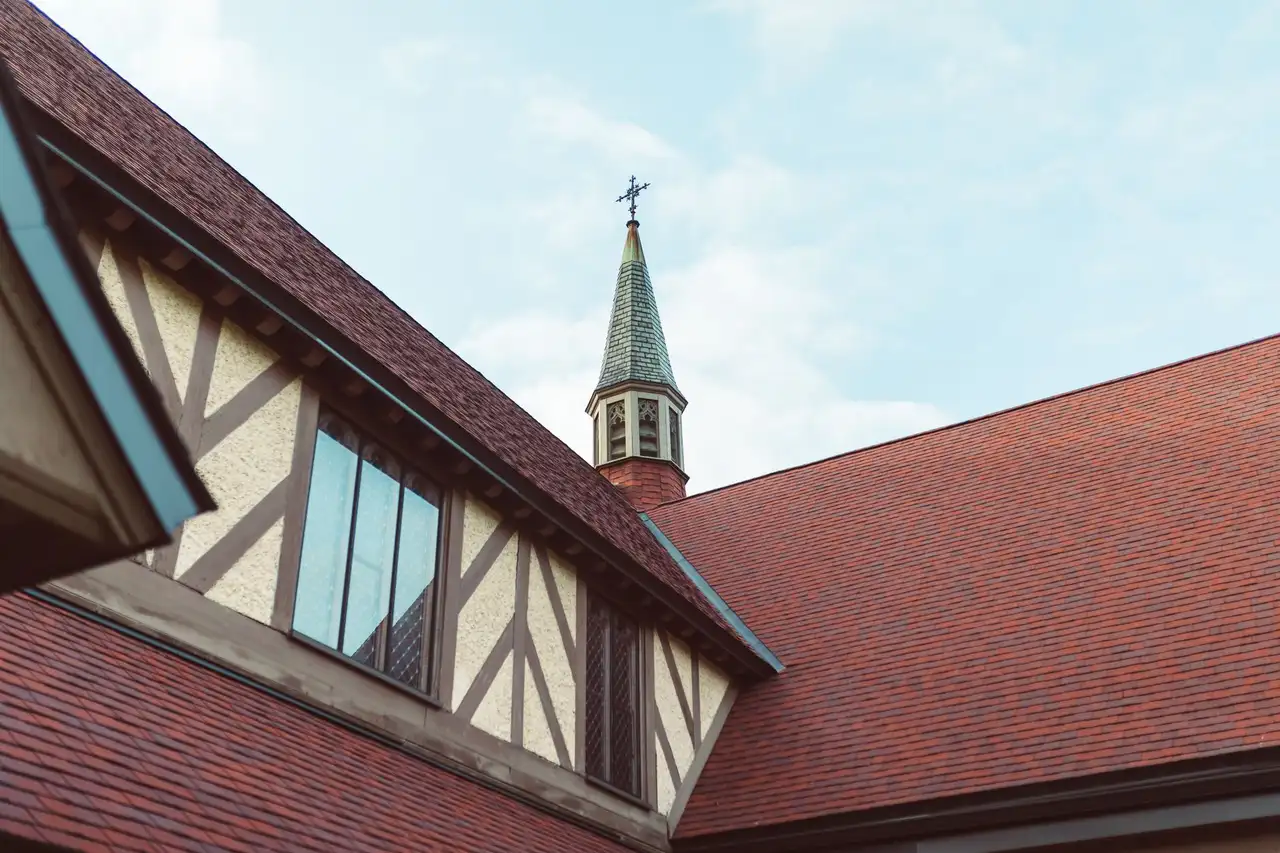
We inspect the flashing, attic, and chimney. In most cases the step flashing has failed on the upwind side. We replace the full flashing assembly, install new ice and water shield, and water-test it before we leave. The leak stops the same day, and you get photos of the repair plus a workmanship warranty. Most homeowners see no further staining after the ceiling dries.
We provide a written inspection and a fixed-price repair quote. If you move forward, we complete the repair, document it with photos, and provide a receipt the buyer's attorney can use at closing. The repair is done before the closing date, and you have documentation showing the flashing was replaced to code. No last-minute price negotiations.
We treat it as an emergency. A crew comes out the same day to tarp or seal the chimney and stop the water. Once the weather clears, we return and complete the permanent flashing repair. Your ceiling and insulation are protected from further damage, and the permanent repair is scheduled within days, not weeks.
We stop patching and replace the assembly. That means new step flashing, new counter-flashing cut into the brick, and new ice and water shield. We also check for rotted decking that previous repairs may have missed. You stop paying for repeat patches. A properly rebuilt flashing assembly typically lasts 20 to 30 years with normal maintenance.
West Babylon roofs take a beating from salt air, nor'easters, and freeze-thaw cycles. Most homes here were built between 1950 and 1975, and many still have their original galvanized flashing, which has been patched repeatedly. We see the same failures over and over: rusted step flashing on the south and west sides of the chimney, cracked sealant at the counter-flashing, and ice dam damage at the base. Because we are based in 11704, we can usually get to a West Babylon NY chimney flashing repair job within 24 to 48 hours, and same-day for active leaks. We work with the same suppliers our competitors use, so we carry GAF and Owens Corning materials and install to manufacturer spec. If you need chimney flashing fixing West Babylon, we handle it as a one-visit repair in most cases. We also know the local code requirements for flashing height and reglet depth, so the work passes inspection the first time.
Many homes here back up to the park and have mature trees that drop debris on the roof. That debris holds moisture at the chimney base and speeds up flashing corrosion.
A mix of capes and ranches with brick chimneys. Most of these roofs are 20 to 50 years old, and flashing is often the first thing to fail.
Commercial buildings with flat roofs and chimney or vent penetrations. We repair flashing on EPDM and TPO systems without interrupting business hours.
Homes closer to the bay see more salt air, which corrodes galvanized flashing faster. Copper flashing lasts longer in these conditions.
Accelerates corrosion on galvanized flashing. Homes within a mile of the water often need flashing replaced 5 to 10 years sooner than inland homes.
Ice expands under loose flashing and pries it open. We install ice and water shield at the base and lock flashing down to resist ice movement.
Drives water sideways into flashing seams that would stay dry in a normal rain. We seal counter-flashing with polyurethane and test with a hose to simulate wind-driven rain.
Many West Babylon chimneys still have 40-year-old galvanized flashing that has been patched multiple times. Replacement is usually more cost-effective than another patch.
A homeowner in West Babylon had a ceiling stain that grew every time it rained. The chimney had original galvanized step flashing that was rusted through in two places. Previous owners had smeared sealant over it, which had dried and cracked.
We removed the old flashing, replaced 2 feet of rotted sheathing, and installed new 24-gauge step flashing and counter-flashing with ice and water shield at the base. The hose test ran dry. Total job time was 3.5 hours.
Maintenance: We recommended an annual roof inspection and keeping the gutters clear. The homeowner checks the attic after major storms and has seen no new staining in two years.
After a February freeze, a Lindenhurst homeowner had water pouring down the chimney chase. Ice had built up at the base and pried the flashing up. The attic insulation was soaked in a 4-foot radius around the chimney.
We removed the damaged flashing, replaced the wet insulation, and installed new flashing with a full ice and water shield membrane at the base. We also added a chimney cricket to divert ice and water. The repair took one day.
Maintenance: The homeowner now has us inspect the flashing every fall before the freeze. Keeping the chimney base clear of snow with a roof rake helps prevent ice from building up again.
A Babylon home had a 6-foot-wide brick chimney with counter-flashing that had pulled away from the masonry. Sealant was gone and water was running behind the flashing into the chimney chase. The ceiling below showed a 3-foot stain.
We cut a new reglet into the brick, installed new copper counter-flashing, and replaced all step flashing. We also repointed two mortar joints that had cracked. The job took 5 hours and the hose test held dry.
Maintenance: We recommended checking the counter-flashing sealant every 3 to 5 years and repointing any new mortar cracks. Copper flashing in this location should last 30 years or more.
Most chimney leaks trace back to one of these failures. We see them every week on Long Island roofs, and we fix them at the source.
Water runs down the chimney chase, soaks insulation, and stains ceilings. Left alone, it rots the roof sheathing and the framing around the chimney. We remove the rusted step flashing, install new metal woven into the shingle courses, and water-test the repair. Most jobs take 2 to 4 hours and stop the leak the same day.
Sealant cracks after 5 to 7 years. Once it fails, wind-driven rain gets behind the counter-flashing and into the masonry, where it can freeze and crack the brick. We cut a proper reglet into the brick and install new counter-flashing sealed with polyurethane. That is a mechanical seal, not a bead of caulk, so it holds through freeze-thaw cycles.
Ice builds up at the chimney base, expands under the flashing, and pulls it loose. When the ice melts, water pours in. This is one of the most common winter leaks in West Babylon. We install ice and water shield at the chimney base and lock the flashing down so ice has nothing to grab. If you already have ice dam damage, we repair the flashing and check the deck for rot.
Water enters through cracks in the crown or mortar, runs down inside the chimney, and shows up as a leak that looks like flashing failure. Fixing only the flashing will not stop it. We inspect the crown and mortar during every flashing job. If we find cracks, we point them out and can repair the crown or repoint the joints so water stops entering the chimney in the first place.
Roofing West Babylon has been repairing flashing on Long Island roofs since 2006, which puts us at 20 years in business. In that time we have rebuilt flashing on hundreds of chimneys across Suffolk County, from 1950s capes in Babylon to newer colonials in Dix Hills. Our crews carry OSHA 10 and OSHA 30 training, and we install flashing to GAF and Owens Corning specifications so the repair integrates with your existing roof system. We are a NRCA member company and hold a NY State Home Improvement License. When we cut a reglet or weave step flashing, it is done the way the manufacturer and the code expect.
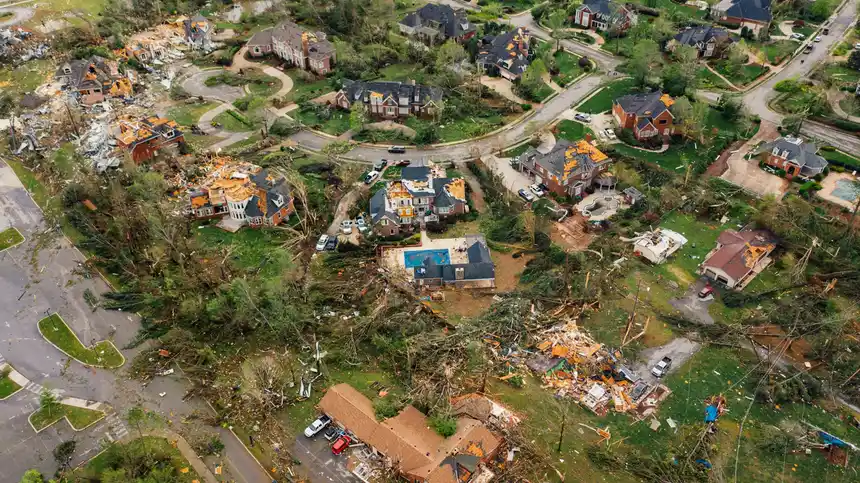
We had a brown stain spreading on the ceiling next to our chimney for two years. Two other guys just smeared tar on it. Roofing West Babylon pulled the old flashing off, showed me the rusted step flashing, and rebuilt the whole thing. That was last fall and we have not seen a drop since. Took them about three hours.
After the nor'easter in March, water was pouring down our chimney. I called and they came out the same day to tarp it. They came back two days later and did the full flashing repair. The price was exactly what they quoted, and they cleaned up every nail. I have already recommended them to my neighbor.
Our chimney is wide and the flashing had been patched so many times it was a mess. Roofing West Babylon cut new counter-flashing into the brick and replaced all the step flashing. They also found some rotted sheathing and fixed it for a fair price. The attic has been dry through two heavy rainstorms.
Most chimney flashing repairs in West Babylon run $350 to $1,200 in 2026. A simple step flashing replacement on a small brick chimney is on the low end. Larger chimneys, wide chimneys, or jobs that need new counter-flashing cut into the masonry and rotted decking replaced push toward the higher end. You get a fixed written price after our inspection, so you know the number before we start.
The most common cause is rusted or pulled step flashing, usually from years of salt air and freeze-thaw cycles. Sealant also fails after 5 to 7 years, and masonry cracks let water behind the counter-flashing. If your leak shows up during wind-driven rain, it is almost always the step flashing on the upwind side. We find the exact failure point during the inspection and show you photos.
Roofing West Babylon repairs chimney flashing across West Babylon and Suffolk County. We have been in business since 2006, hold a NY State Home Improvement License, and carry OSHA 10 and OSHA 30 trained crews. We handle everything from a single step flashing replacement to a full chimney flashing repair and replacement West Babylon NY job with new counter-flashing cut into the brick.
Yes, in most cases. We cut back only the shingle courses around the chimney, install new step flashing, and re-shingle that area. You do not need a full roof replacement unless the surrounding shingles are already at the end of their life. If we see that during the inspection, we tell you straight and price both options so you can decide.
Not seeing your question? Our local team can help you understand urgency, scheduling and what to expect.
Ask the local team
When flashing repair turns into a full roof replacement, we install new GAF or Owens Corning systems with proper chimney flashing details built in from the start. West Babylon homeowners get a manufacturer warranty that covers both the shingles and the flashing workmanship.
View serviceIf your shingles are near the end of their life and the flashing is failing, replacing the roof and flashing together saves money. We tear off the old roof, install new ice and water shield, and build a fresh chimney flashing assembly that will last decades.
View service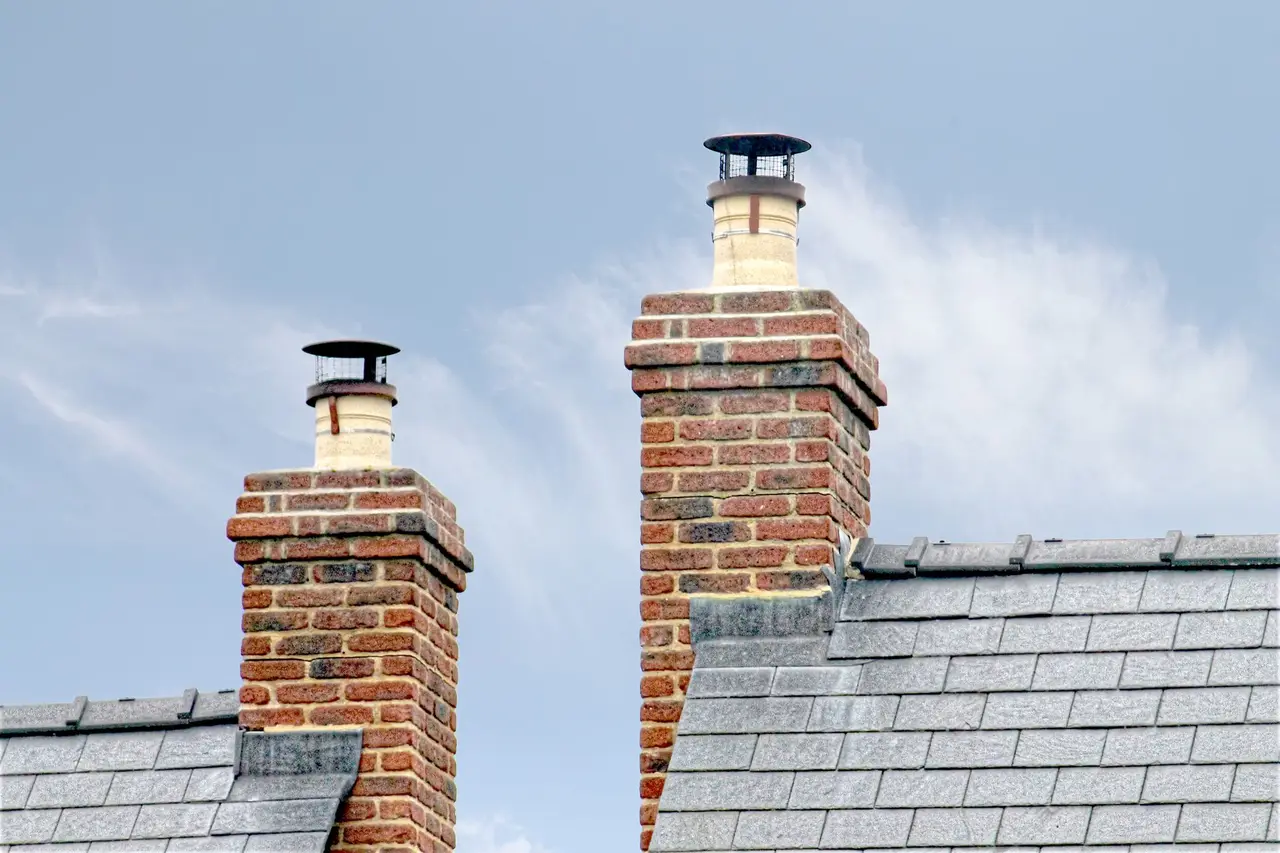
Chimney flashing leaks often show up alongside missing shingles and nail pops. Our roof repair crews handle both in one visit, so you are not paying two separate call-out fees to fix one leak. We carry asphalt shingles and architectural shingles on the truck.
View service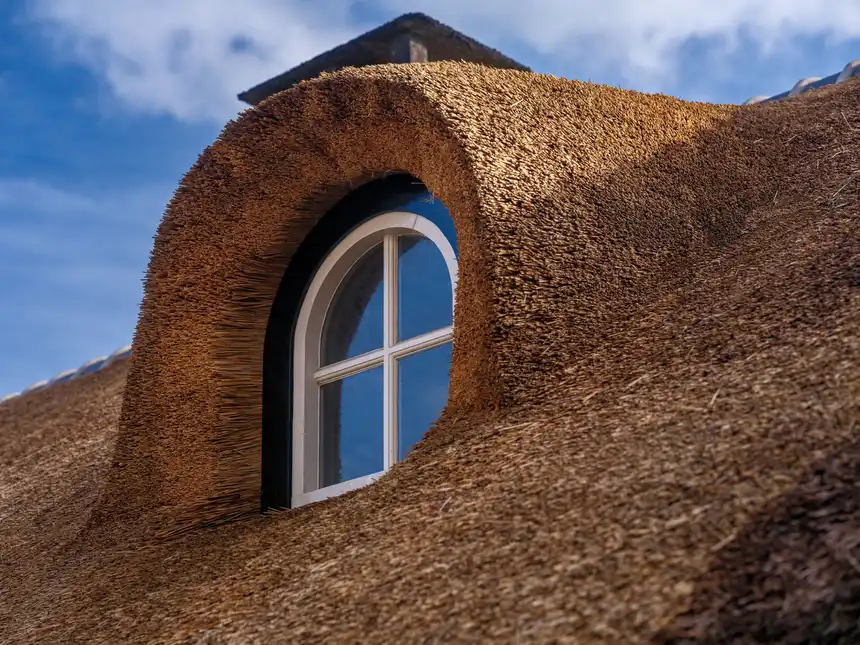
A roof inspection is the fastest way to find out whether your leak is flashing, shingles, or something else. We check the chimney, skylights, vents, and valleys, then give you a written report with photos. Most West Babylon inspections take about an hour.
View service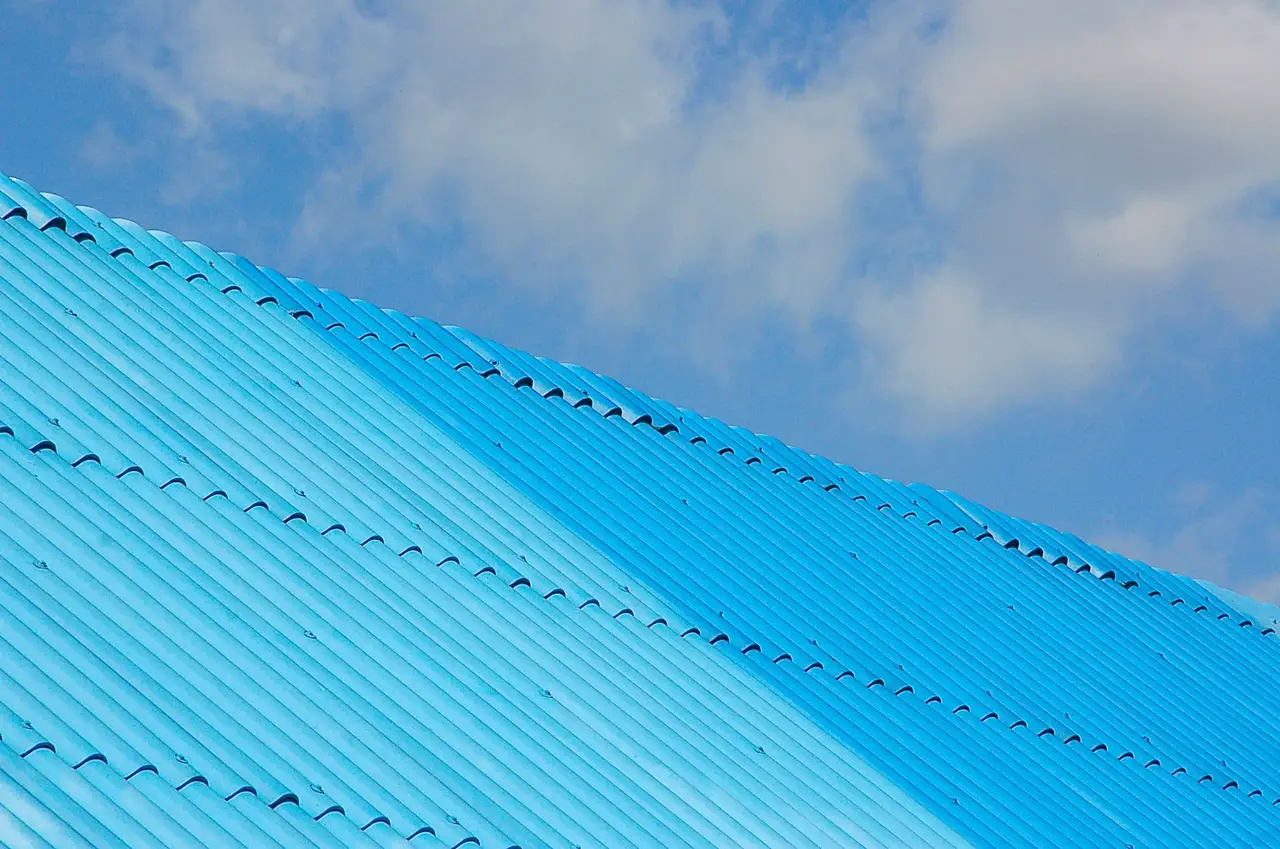
Call us at 345324674 and you will reach a person, not a call center. We answer weekdays from 8 a.m. to 6 p.m. and keep an emergency line open around the clock. Most West Babylon estimates are scheduled the same day you call.