Focused arrival windows
Useful updates and clear arrival timing.
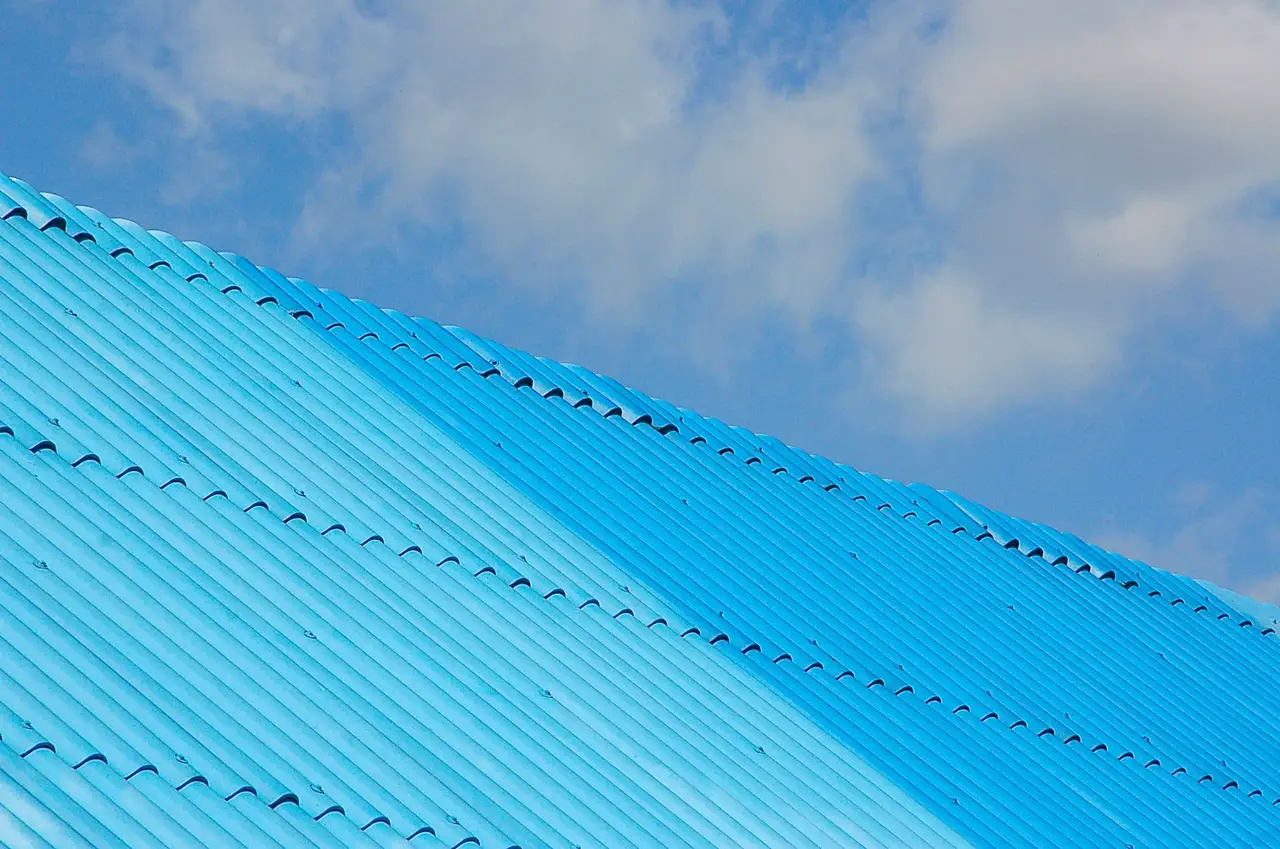
Roofing in Copiague means dealing with salt air corrosion, flood zone AE, and roofs that have taken 20-plus years of nor'easters. We handle roof repair, replacement, and emergency tarping across 11726, from North Copiague to the canal-front blocks near Great South Bay. Our crews carry GAF and Owens Corning materials, pull permits through Suffolk County, and leave your yard clean. Call 345324674 for a same-day estimate.
Useful updates and clear arrival timing.
Review the approach and price before deciding.
Equipped vehicles and respectful cleanup.
Neighbors serving neighbors with follow-through.
Roofing in Copiague is a category of exterior work that repairs, replaces, and waterproofs the roof systems on homes and commercial buildings throughout the 11726 ZIP code, and it is needed the moment shingles lift, flashing fails, or a ceiling stain appears. We have worked Copiague roofs since 2006, which means we know how salt air from the Great South Bay eats at fasteners and how flood zone AE changes what we can leave on site overnight. Our crews handle everything from a single missing shingle on a North Copiague ranch to a full tear-off and replacement on a canal-front colonial. We pull permits through Suffolk County, install ice and water shield at the eaves, and use ridge vent to keep attic condensation from rotting decking from the inside. If you need Roofing Copiague NY homeowners actually recommend to neighbors, we are on the same streets every week.
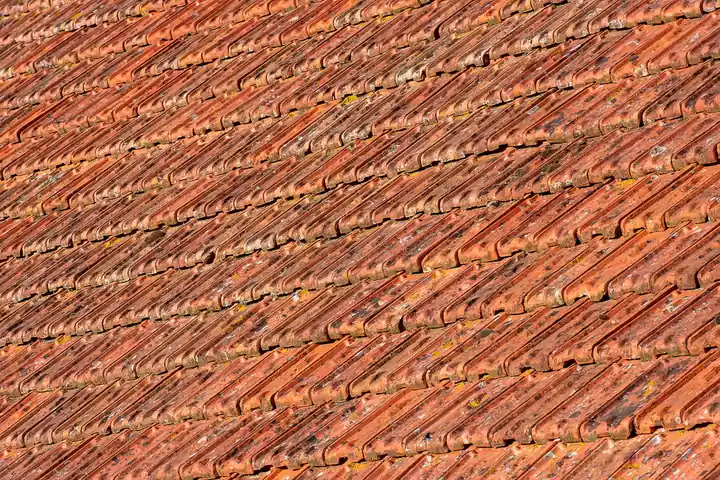
Copiague roof demand splits into three buckets: emergency calls after storms, planned replacements on aging homes, and maintenance for property owners who want to avoid both. If you are searching for a Roofing contractor Copiague NY near me, we cover all three. We run crews out of West Babylon, so we are usually on a Copiague roof within 30 to 45 minutes of your call.
New roof installation in Copiague means building from the deck up with proper underlayment, ice and water shield at the eaves, and drip edge sized for coastal wind. We install asphalt shingles, architectural shingles, and metal roofing panels on homes from North Copiague to the canal blocks. Every install includes a manufacturer warranty when we use GAF or Owens Corning systems.
View service →02Most Copiague replacements are on homes built between the 1950s and 1980s where the original roof has been patched twice already. We tear off to the deck, replace any rotted sheathing, and rebuild with architectural shingles or a metal system. A typical 1,600-square-foot ranch takes two to three days.
View service →03Roof repair in Copiague covers missing shingles, flashing failure at chimneys, and leaks around vent stacks. Salt air corrosion means fasteners and metal edges fail earlier here than inland, so we inspect those points first. Most repairs run $350 to $1,200 and are done in a single visit.
View service →04A Copiague roof inspection checks the shingles, flashing, ridge vent, drip edge, and attic side for condensation or staining. We look at what salt air and storm surge have done to the metal components. Inspections take 45 to 60 minutes and include photos of anything we find.
View service →05Maintenance plans for Copiague homes include gutter clearing, moss removal, sealant checks at flashing, and fastener tightening on metal roofs. We schedule spring and fall visits so small problems get caught before they become leaks. Annual plans start at $299.
View service →06Emergency roof repair in Copiague runs 24/7 because storm surge and nor'easters do not wait for business hours. We respond to active leaks, missing shingles, and wind damage across 11726. Call 345324674 and we will give you a realistic arrival window, usually within an hour.
View service →07When a Copiague roof is open to the weather, we tarp it the same day. That means weighted, secured tarps over the damaged section, not a loose sheet that flaps off at midnight. Tarping stops water intrusion until we can do the permanent repair. Most tarp calls are handled within two hours.
View service →08Leaks in Copiague often show up far from the actual failure point, especially on low-slope sections and around chimneys. We use moisture meters and hose testing to trace the source, then repair the flashing, underlayment, or shingle that failed. Most leak calls are diagnosed and fixed in one visit.
View service →09Storm damage in Copiague usually means lifted shingles, torn flashing, and gutters pulled loose by wind. We document everything with photos for your insurance claim, then repair the roof to code. We handle both the emergency tarp and the permanent fix so you are not coordinating two contractors.
View service →Copiague roofs are not the same as inland Long Island roofs, and we plan the work accordingly. Salt air corrosion means we use corrosion-resistant fasteners and check every metal edge on the roof, not just the shingles. Flood zone AE affects how we stage materials and where we can leave equipment overnight. On canal-front properties, we often need to work from the street side because there is no rear access. We schedule most Copiague jobs between 7 a.m. and 4 p.m., and we handle emergency Roofing Copiague NY 24/7 calls after hours. If you need roof repair in Copiague New York same-day, call before noon and we can usually get a crew out that afternoon.
Nails, drip edge, and metal vent stacks corrode faster near the Great South Bay, so repairs that would last years inland fail sooner here. We see it most on roofs within a few blocks of the water. We use hot-dipped galvanized or stainless fasteners on coastal Copiague roofs and replace corroded flashing rather than sealing over it. On metal roofs we check every fastener and replace the ones that are already compromised.
In flood zone AE, we cannot leave materials or debris in certain spots overnight, and some canal-front properties have no rear yard access. This changes how we sequence a job and how long it takes. We stage materials on the street side or in the driveway and haul debris out the same day. For canal-front homes, we plan the tear-off in sections so the roof is never left open overnight.
Much of Copiague's housing stock was built in the 1950s through 1980s, and many roofs are on their second or third layer of shingles. These roofs fail in predictable ways: flashing first, then field shingles. We inspect the flashing, valleys, and penetrations before quoting a repair, because patching shingles on a roof with failing flashing just moves the leak. If the roof is at the end of its life, we tell you straight and price the replacement.
Most full roof replacements in Copiague require a permit, and the inspection covers sheathing, ice and water shield, and flashing details. We pull the permit and meet the inspector on site so you are not chasing paperwork.
New York requires ice and water shield along the eaves on new roofs, which matters in Copiague because freeze-thaw cycles drive ice dams. We install it at every eave and in every valley, not just where the code minimum applies.
Copiague roofs deal with salt air, storm surge, aging shingles, and flat roof drainage issues. These four problems come up again and again on our service calls. If you recognize any of them, you are not alone, and they are all fixable.
Salt air corrodes the metal flashing faster here than inland, and freeze-thaw cycles open up the sealant joints. Once the flashing fails, water gets behind the shingles and into the attic. We replace the flashing with corrosion-resistant metal and reseal the joints properly. We also check the surrounding shingles for damage, because flashing leaks often rot the deck underneath.
Copiague gets freeze-thaw cycles that melt snow on the upper roof and refreeze it at the cold eaves. The ice backs water up under the shingles and into the house. Poor attic insulation makes it worse. We install ice and water shield at the eaves and in the valleys, and we check your attic insulation and ventilation. Fixing the insulation side reduces the freeze-thaw cycle that causes the dams.
Many Copiague commercial and older residential buildings have flat roofs with drains that clog or sag over time. Water sits on the membrane, finds the seams, and eventually leaks through. We clear the drains, repair the membrane, and re-slope the low spots with tapered insulation where needed. If the roof is past its life, we quote a full replacement with proper drainage.
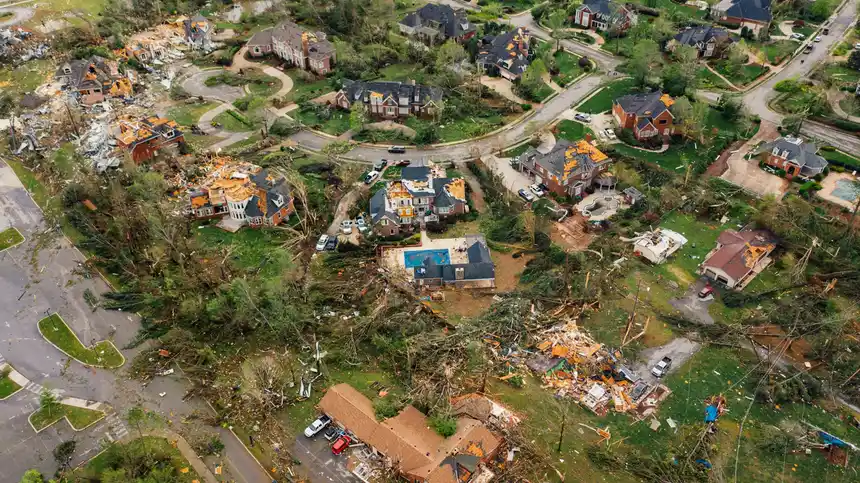
Storm surge winds off the Great South Bay hit Copiague roofs hard, especially on the south and east exposures. Lifted shingles expose the underlayment, and the next rain gets in. We tarp the roof the same day if it is open, then repair or replace the damaged shingles and check the flashing. We also document everything with photos if you are filing an insurance claim.
Copiague is compact, but the canal streets and one-way blocks near the water can be tricky if you do not know them. We use the Copiague LIRR Station and Sunrise Highway as our main orientation points, then work outward to the residential streets. Tanner Park and the Great South Bay shoreline help us place canal-front addresses quickly. The Copiague Memorial Public Library is a useful midpoint when we are scheduling multiple jobs in one day.
The LIRR station on Sunrise Highway is our main reference point for the central Copiague street grid. It helps us route crews to addresses north and south of the tracks without circling.
The library on Great Neck Road is a convenient midpoint when we are coordinating multiple jobs in one day. It sits near several residential streets we work regularly.
Tanner Park on the Great South Bay gives us a fixed point for the canal-front and waterfront streets in South Copiague. It helps us place addresses that do not follow the standard grid.
The bay shoreline defines the southern edge of Copiague and tells us which roofs are most exposed to salt air and storm surge. We use it to plan material choices for coastal properties.
Sunrise Highway is the main east-west route through Copiague and our primary access road for most jobs. It also marks the commercial corridor where we do flat and commercial roof work.
The Sunrise Highway corridor through Copiague has a mix of retail, service businesses, and small office buildings, many with flat or low-slope roofs. We handle repairs and replacements on these systems, usually outside business hours.
There are small industrial and warehouse properties in Copiague, mostly with EPDM or modified bitumen roofs. These buildings tend to have larger roof areas and drainage systems that need regular maintenance.
The station is on the Babylon Branch and sits just off Sunrise Highway, which makes it easy for us to reach both the north and south sides of Copiague.
Sunrise Highway runs directly through Copiague and connects us to West Babylon, Amityville, and Lindenhurst. It is our main route for both scheduled and emergency calls.
We work across all of Copiague, from the inland blocks near Sunrise Highway to the canal-front streets in South Copiague. Each area has its own roof profile, and we adjust materials and detailing to match. Here is how we cover the neighborhoods.
North Copiague is mostly single-family ranches and capes on inland lots, many with asphalt shingle roofs that are 15 to 25 years old. The main issues we see are worn shingles, attic condensation, and flashing failures at chimneys. We reach North Copiague in about 20 minutes from West Babylon via Sunrise Highway.
South Copiague includes the canal-front properties closest to the Great South Bay, where salt air corrosion and storm surge risk are highest. Roofs here need corrosion-resistant fasteners and flashing that can handle wind-driven rain. South Copiague is roughly 25 minutes from our shop, and we route emergency calls there first during coastal storms.
The center of Copiague has a mix of older homes and small commercial buildings, including flat and low-slope roofs that use modified bitumen or EPDM. Ponding water and clogged drains are the most common problems we fix here. Copiague Center is about 20 minutes away, and we can usually schedule same-week service.
The blocks along the Amityville line share the same aging housing stock and storm exposure as the rest of Copiague. We see a lot of roof repair calls here after nor'easters, mostly lifted shingles and torn flashing. This area is 25 to 30 minutes from our West Babylon location, depending on Sunrise Highway traffic.
These are three recent jobs that show what Copiague roof work actually looks like, from the first call to the final walkthrough. Each one involved a real local condition: salt air, aging shingles, or storm damage.
A canal-front home in South Copiague had a persistent leak around the chimney after a nor'easter, with water staining the ceiling below. We found the chimney flashing had corroded through, which is common this close to the bay. We replaced the step flashing and counter-flashing with corrosion-resistant metal, resealed the joints, and replaced two rows of damaged shingles around the chimney. The leak stopped, and the homeowner has had no water intrusion through two subsequent storm seasons. The repair took one day and cost under $1,100.
A 1960s ranch in North Copiague had three layers of shingles, several soft spots in the deck, and a ceiling stain in the hallway. We tore off all three layers, replaced four sheets of rotted sheathing, and installed a new architectural shingle system with ice and water shield at the eaves and a ridge vent. The job took three days. The homeowner got a 30-year shingle warranty and a 5-year workmanship warranty. Their attic temperature dropped noticeably the following summer.
A small commercial building on Sunrise Highway had a modified bitumen roof with ponding water and a recurring leak near a drain. We repaired the drain flashing, re-sloped the area around the drain with a tapered insulation board, and installed a new modified bitumen cap sheet over the repaired section. Work was done on a Sunday so the business did not close. No leaks through the following winter, and the ponding water issue was resolved. The building owner now has us on an annual maintenance plan.
We had a leak over the kitchen after a storm and called on a Sunday. They tarped the roof that afternoon and came back Monday to do the permanent repair. The flashing around our chimney was completely corroded from the salt air. They replaced it and we have not had a drop since. Fair price, no runaround.
Got three estimates for a full roof replacement on our ranch. These guys were the only ones who went up in the attic and checked the ventilation before quoting. They found soft decking that the others missed. Job took three days, they cleaned up every night, and the price was what they said it would be.
Our flat roof on the commercial building kept leaking near the drain. They came out on a Sunday so we would not have to close. Fixed the drain flashing and re-sloped the area. It has been through a full winter with no leaks. I have them on a maintenance plan now.
Copiague roofs go through four distinct seasons, and each one brings its own problems. Right now, as we head into winter, the focus is on ice dams, freeze-thaw cycles, and storm readiness. Here is what to expect through the year.
Spring rain finds every weak point that winter opened up. We see a spike in leak calls from flashing failures and lifted shingles, plus moss starting to grow on shaded roofs.
Heat and humidity are hard on asphalt shingles, and attic condensation shows up as staining or a musty smell. This is also the best time for replacements because the weather is predictable.
Falling leaves clog gutters and downspouts, and the first nor'easters start testing roofs that were already weakened. Missing shingles and flashing failures are the most common calls.
Freeze-thaw cycles drive ice dams at the eaves, and storm surge winds can tear shingles loose. Emergency calls go up, especially for active leaks and open roofs after a storm.
Copiague is one of several South Shore communities we serve from our West Babylon base. We cover the surrounding towns with the same crews and the same materials, so if you are near the Copiague line, we can get to you quickly. Here is how the nearby cities relate to our Copiague coverage.
Babylon is just east of Copiague along Montauk Highway, and we often schedule Copiague and Babylon jobs on the same day.
Local coverage and details
Lindenhurst borders Copiague to the east, and many of our Copiague customers are within a few blocks of the line.
Local coverage and details
North Babylon is a short drive north of Copiague via Deer Park Avenue, and we cover it with the same crews.
Local coverage and details
Deer Park is northwest of Copiague, and we regularly combine it with Copiague routes when scheduling.
Local coverage and detailsNot every roofer who shows up in Copiague is set up for coastal conditions. These are the questions that separate a contractor who knows the area from one who is just passing through. Ask them before you sign anything.
A legitimate Copiague roofer carries a New York State Home Improvement License and general liability insurance. If they cannot show you a certificate, you are the one holding the risk if someone gets hurt on your roof.
Standard fasteners rust out fast near the Great South Bay. A contractor who knows Copiague will use hot-dipped galvanized or stainless fasteners and upgraded flashing. If they shrug at the question, they do not work here often.
Most full roof replacements in Copiague need a Suffolk County permit and inspection. A contractor who asks you to pull the permit is shifting responsibility to you. We handle it as part of the job.
Manufacturer warranties cover materials, not installation mistakes. Ask how long the workmanship warranty runs and what it covers. A 5-year workmanship warranty tells you they stand behind the install.
Tear-off sends nails and debris everywhere, and Copiague properties often have cars, landscaping, and canal-side decks close to the house. A good crew lays tarps, uses magnetic sweeps, and cleans up daily.
GAF
Owens Corning
CertainTeed
National Roofing Contractors Association
$2M general liability and workers compensation
Member
Member
Most roof repairs in Copiague run $350 to $1,200, and a full asphalt shingle replacement on an average home runs $8,500 to $18,000 in 2026. Metal roofing runs $12,000 to $28,000. Coastal properties near the Great South Bay can run higher because we use corrosion-resistant fasteners and upgraded flashing. We give you a written price before any work starts.
The best roofer in Copiague is the one who knows the local conditions: salt air corrosion, flood zone AE, and aging housing stock. Look for a New York State Home Improvement License, manufacturer certifications like GAF Master Elite, and a workmanship warranty. Ask for local references and check that they pull permits. We have served Copiague since 2006 and can show you recent jobs nearby.
Yes. We run emergency roof repair and tarping 24/7 for Copiague, including nights, weekends, and holidays. Call 345324674 and we will give you a realistic arrival window, usually within an hour. We handle active leaks, missing shingles, and open roofs after storms, then come back for the permanent repair.
Start with licensing and insurance, then ask about coastal materials and permit handling. A good Copiague contractor uses corrosion-resistant fasteners, installs ice and water shield at the eaves, and pulls the Suffolk County permit. Ask for a written scope and a workmanship warranty. If they pressure you to sign the same day, walk away.
We typically reach Copiague within 30 to 60 minutes for emergency calls, depending on traffic on Sunrise Highway. For active leaks or open roofs after a storm, we tarp the same day and schedule the permanent repair as soon as the weather allows. Call 345324674 any time, day or night.
Not seeing your question? Our local team can help you understand urgency, scheduling and what to expect.
Ask the local teamCall us at 345324674 and you will reach a person, not a call center. We answer weekdays from 8 a.m. to 6 p.m. and keep an emergency line open around the clock. Most West Babylon estimates are scheduled the same day you call.